Ecopneus Consortium

From road surfacing to sports surfaces and energy: tyre rubber recycling is on the rise

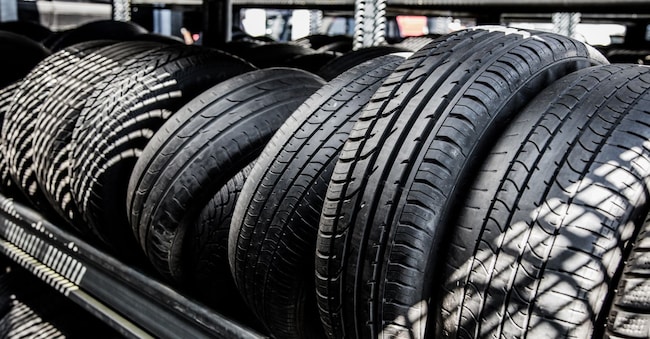
 (AdobeStock)

2' min read

Translated by AI
Versione italiana

2' min read

Translated by AI
Versione italiana

The recycling of end-of-life tyres is on the rise. As at 30 August this year, the Ecopneus Consortium had recorded the collection of 125,748 tonnes of end-of-life tyres, representing 76 per cent of the target set by law.

“By way of comparison, in 2025 Ecopneus collected 199,408 tonnes of end-of-life tyres (+24 per cent compared with the standard statutory target) – the consortium points out – “processing 52,000 collection requests at 20,382 collection points spread across all Italian provinces”.

Loading...

In other words, this means greater use of waste as a raw material, a reduction in the sourcing of virgin raw materials, decarbonisation and an increasingly mature domestic market for recycled rubber.

350,000 tonnes in Italia

“In Italia, around 350,000 tonnes of tyres reach the end of their life each year following replacement on vehicles in use,” the consortium points out. It is estimated that around 30 million car tyres, 2 million lorry tyres, 3 million tyres for two-wheeled vehicles and over 300,000 tyres for industrial and agricultural vehicles are put into circulation each year.”

And although the latter account for only 0.9 per cent in terms of quantity, in terms of weight they account for over 4 per cent, due to their large size.

131,138 tonnes of CO₂ avoided

In 2025, the recovery of end-of-life tyres totalled 188,853 tonnes. “Thanks to the Ecopneus management system, 131,138 tonnes of CO₂ equivalent were avoided in 2025, equivalent to the carbon absorption of 17.5 million trees,” the consortium emphasises. Furthermore, 1,204,249 MWh of fossil fuel equivalents—enough energy to light a stadium for over 116,000 matches, heat 12.5 million square metres of flats for a year, or meet the domestic electricity needs of 400,000 households’. There is also a visual representation of the collection. If 199,408 tonnes of ELTs were laid end to end, they would stretch for 129 kilometres – the distance from Florence to Rimini. In terms of volume, they would fill 198 Olympic-sized swimming pools.

In terms of weight, that’s equivalent to 1,330 fully laden Boeing 747s (150 tonnes each).

From energy to tarmac

Of the recovered tyres, 51 per cent is turned into new raw material and used in sectors ranging from the production of new asphalt to surfacing for sports facilities. 49 per cent is used for energy recovery. There are also sound-absorbing noise barriers, made from recycled rubber and concrete, which help to reduce noise pollution along major roads. In addition to the D.s.m.U. Ecofriendly device. This is a continuous life-saving protection system, made from a compound of end-of-life tyres, designed to be fitted to the posts of existing road barriers to absorb kinetic energy in the event of an impact.

The industrial policy lever

“The management of end-of-life tyres is not simply an environmental challenge, but a genuine lever for the country’s industrial policy,” says Giuseppina Carnimeo, Director-General of Ecopneus. “The true strength of the circular economy lies in its ability to return value to the community, transforming what was once considered waste into a secondary raw material capable of making our cities more liveable, modern and resilient.”

Copyright reserved ©
Loading...

Brand connect

Loading...

Newsletter

Notizie e approfondimenti sugli avvenimenti politici, economici e finanziari.

Iscriviti