Rum, volcanoes and empresses in the magic of Martinique
On the island where Josephine, Napoleon’s wife, was born: a journey through colourful architecture, spices, plantations and historic distilleries

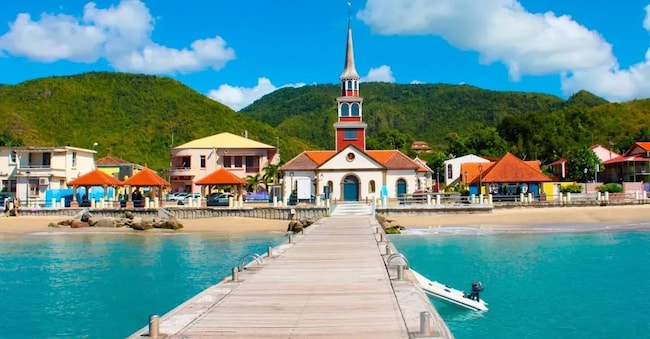
In terms of its gross domestic product, Martinique is the wealthiest of France’s overseas departments, and as such is an integral part of the European Union, albeit with the status of an outermost region. This designation does not prevent it from being thoroughly loved and frequented by tourists from the Old Continent, to the extent that the island’s economic mainstay is shifting from fishing, banana and pineapple cultivation, and rum production, towards tourism.
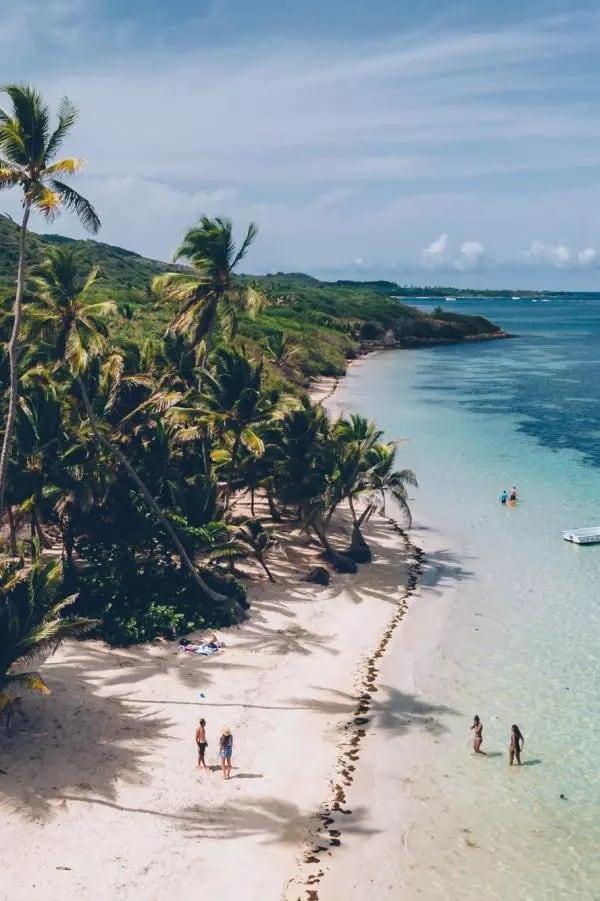
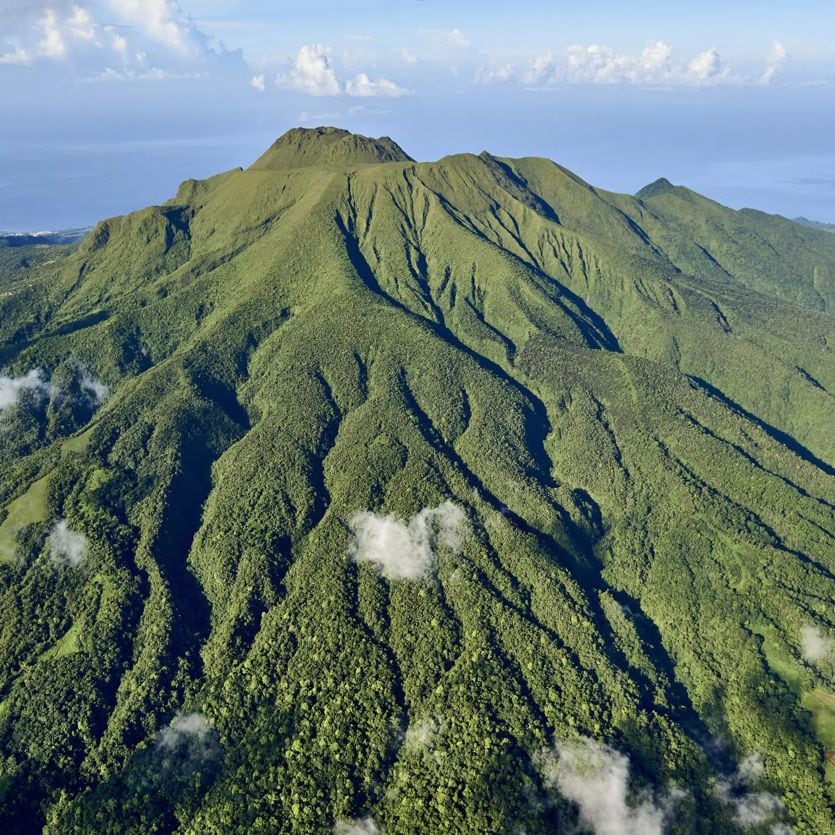
After all, the island boasts beaches of immense charm, almost always with white sand, crystal-clear sea, palm trees providing a picturesque backdrop, and unforgettable sunsets. Whilst Plage des Salines is the most famous – and also the busiest – beach, precisely because of its fine white sand, its counterpart, which is no less charming, is Anse Noir, with its black volcanic sand. Martinique, which the Arawak, the island’s first inhabitants, called ‘Madinina’, meaning ‘the island of flowers’, is dominated by the imposing silhouette of Mount Pelée, a volcano that has shaped its history, albeit painfully: in 1902, with a single eruption, it destroyed the town of Saint-Pierre, the island’s first European settlement. Since then, however, Mount Pelée has been dormant and thus offers trekking routes of great beauty, although these are recommended only for experienced walkers.
Perhaps it’s better to go snorkelling amongst the turtles at Anse Dufour, take a stroll in the shallow waters of Pointe Marin, or enjoy the unspoilt atmosphere of Anse Couleuvre, well protected by the tropical forest. Many beaches are home to small restaurants that set up their front rows of tables right on the sand: the cuisine features the catch of the day, with generous use of spices as is typical of Creole cuisine. You almost always start with accras, small spiced and fried fish fritters made from cod or other fish; also not to be missed is lambi, a large mollusc that is stewed and seasoned, served with white rice, as is calalou, a soup made with vegetables and pork or crab. Local specialities also include poulet boucané, chicken smoked over sugar cane, and for those with a stronger palate, there’s boudin créole, small, spicy black pudding sausages.
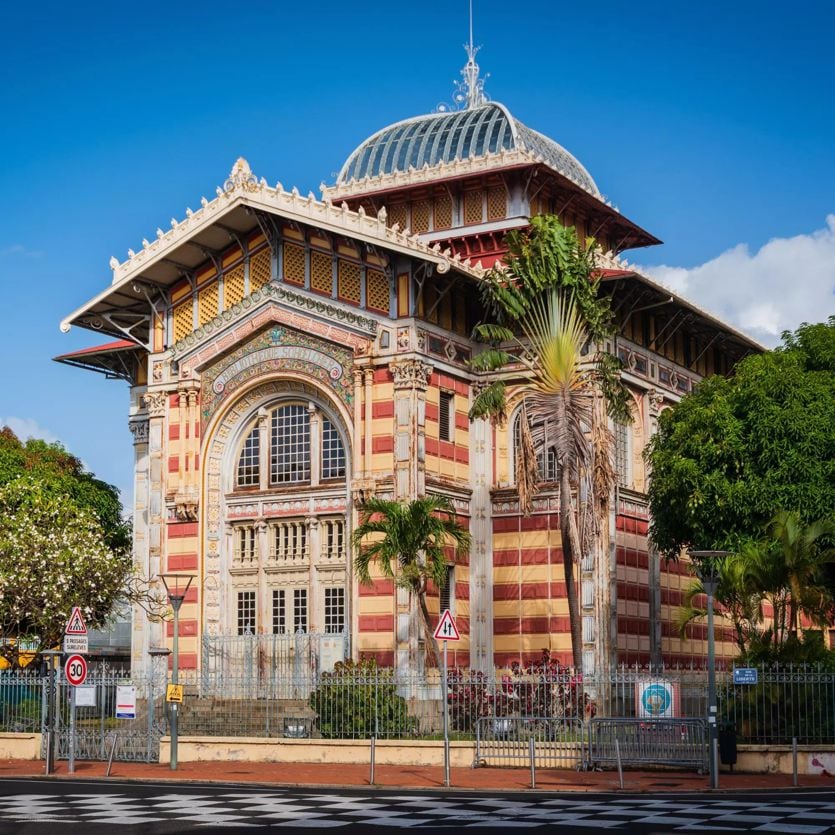
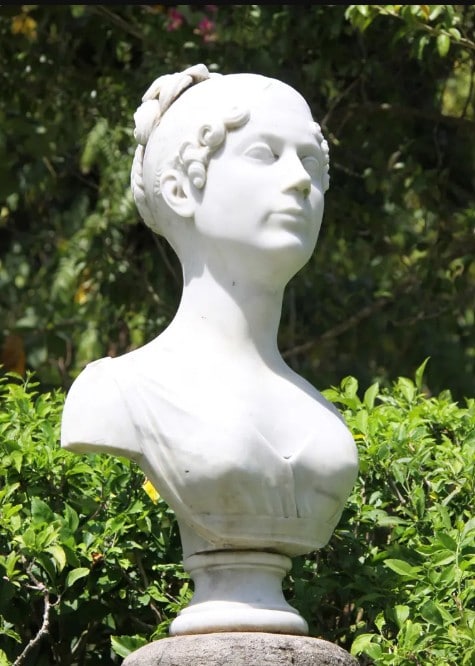
Discovered by Christopher Columbus in 1502, during his fourth and final voyage to the Americas, Martinique has always been a French colony, apart from a few brief periods of British rule. An interesting fact: the island was the birthplace of Joséphine de Beauharnais, Napoleon’s great love and first wife, who is commemorated by a statue in the centre of Fort-de-France, the island’s main town and capital. Visitors also head to the city to browse the local markets, go shopping, and admire the cathedral and the polychrome façade of the Schoelcher Library, which was actually built in Paris for the 1889 World’s Fair, before being dismantled and transported to Martinique, where it was subsequently rebuilt brick by brick. If you’re looking to experience a bit of nightlife, Fort-de-France is the most highly recommended destination, thanks to the many bars and clubs that bring the historic centre to life in the evenings.