
Crises in Russia and Iran, record profits for Repsol and TotalEnergies
Supply constraints, linked to intermittent disruptions in the Strait of Hormuz and Ukrainian attacks on Russian refineries, have pushed up margins for European refiners. Shares are rising.

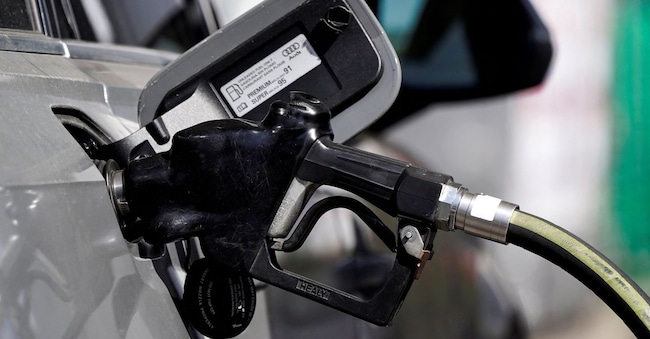
The rise in crude oil prices and profit margins from oil refining – driven by the blockade of the Strait of Hormuz and the protracted crisis in the Middle East – are boosting the share prices and profits of European oil companies.
Repsol
The Spanish company Repsol has published its second-quarter results and saw its net profit more than triple in the first half of the year, reaching €2.2 billion – a 265 per cent increase compared with the same period in 2025 (€603 million) – against a backdrop characterised by ‘high volatility in the energy markets’ and ‘limited supply’. Adjusted net profit stood at €2.71 billion in the first six months of the year, up from €1.16 billion in the same period of 2025 (+135 per cent), and between April and June alone it rose to €1.84 billion compared with €598 million in the same period of 2025. The share price closed up 3.8 per cent in Madrid. Furthermore, the company stated that it expects refining margins to remain high next year as well, given the continuing geopolitical tensions in the Gulf region and in Russia.
Supply constraints, linked to intermittent disruptions in the Strait of Hormuz and Ukrainian attacks on Russian refineries, have fuelled price volatility and pushed up margins for European refiners.
“I am convinced that there are solid reasons to expect excellent refining margins, not only in 2026 but also in 2027,” Repsol’s Chief Executive, Josu Jon Imaz, told analysts. He also cited the shutdowns at Russian refineries as a risk factor equivalent to, or even greater than, the Strait of Hormuz for the European middle distillates market, as they affected 45–50 per cent of Russia’s refining capacity. In support of his positive margin forecasts, Imaz also highlighted the resilience of global fuel demand, strong consumption in Spain and Portugal, tight stock levels in key markets and the need for maintenance work at refineries.
Should the crisis in the Strait of Hormuz worsen, Repsol has sufficient crude oil, storage and production capacity to cover Spain’s entire kerosene requirements. Imaz added that the company might even have a 30 per cent surplus of available production to supply other customers, should those companies’ suppliers run out of aviation fuel. Imaz concluded by stating that the company expects production to reach around 600,000 barrels of oil equivalent per day by the end of 2026, thanks to the launch of the Pikka project in Alaska by the end of September, improvements in Venezuela, growth in the Marcellus Shale and increased production from the Leon-Castile fields.
Spain’s leading oil refiner and producer will launch a third share buyback in October and will keep total distributions to shareholders within the target range of 30–40 per cent of operating cash flow.
TotalEnergies
The French oil major TotalEnergies also reported a 67 per cent rise in profits in the second quarter, marking its best quarterly result in the last three years. TotalEnergies’ adjusted net profit stood at $6 billion, in line with expectations, driven by strong refining and oil trading activity, and the share price closed up 2.5 per cent in Paris. The company has maintained its $1.5 billion share buyback programme for the third quarter, helping to push its shares up by 2.7 per cent to €76.30, meaning the share price has risen by 37 per cent since the start of the year.

