
Russian assets, defence and the environment: three knots to unravel on the table of European leaders
Today's summit, to be attended by President Volodymyr Zelensky, will be an opportunity to reiterate the EU's support for Ukraine in its war against Russia (a 19th sanctions package against Moscow is almost ready)

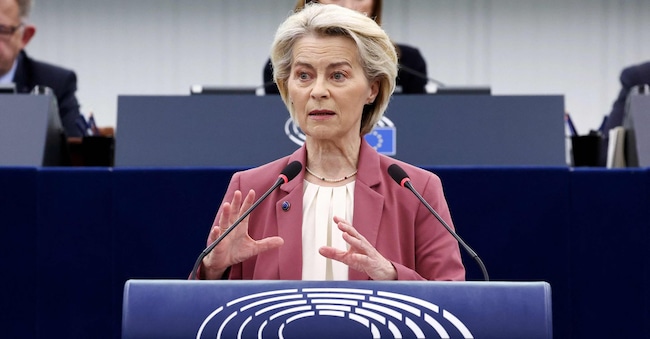
FROM OUR CORRESPONDENT
BRUSSELS - Today's (and possibly tomorrow's) European summit here in Brussels comes at a delicate moment. It must serve, in the hopes of the member states and the EU institutions, to indicate the direction of the coming months and even years, particularly in the fields of defence and the environment. The diplomatic negotiations of recent days have put down on paper an initial compromise, constructive on many fronts. Some points, however, remain controversial.
On the defence front, the Twenty-Seven are expected to make their own the roadmap presented by the European Commission last week. The outline of conclusions envisages that the European Council invites the member states to organise working groups in 'priority areas' by the end of the year in order to start concrete projects 'in the first half of 2026'. The main programmes are space shield, anti-drone wall and anti-missile defence.
Today's summit, which will be attended by President Volodymyr Zelensky, will be an opportunity to reiterate the EU's support for Ukraine in its war against Russia (a 19th package of sanctions against Moscow is almost ready). In this context, the European Council is also expected to mandate the European Commission to submit a proposal to use the cash generated by Russian assets frozen when the conflict broke out.
The money (around EUR 200 billion) is currently deposited with Euroclear, the Belgian institution. Belgium demands guarantees that it will not be exposed to any Russian retaliation on its own. "It's an open point for the Belgians," one negotiator explained yesterday. "They won't give up easily, but we think they will eventually give in." The country is understandably worried by the delicate situation it finds itself in, but there is a feeling that a compromise is possible.


