Russian LNG tanker adrift in the Mediterranean: the four hypotheses for action
From towing to safe harbour to emptying to sinking in deep water: all scenarios to avoid ecological damage in the Mediterranean
by Editors Online
 Aggiungi Il Sole 24 Ore
ai preferiti su Google
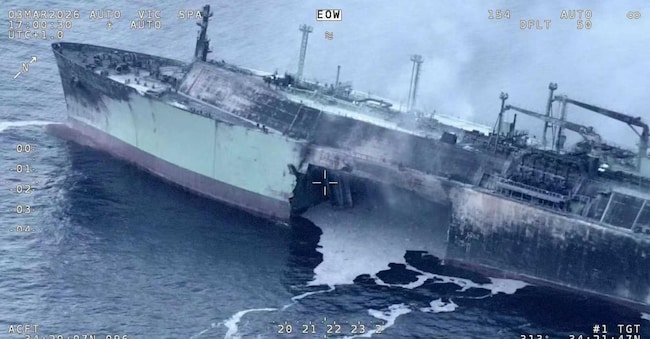
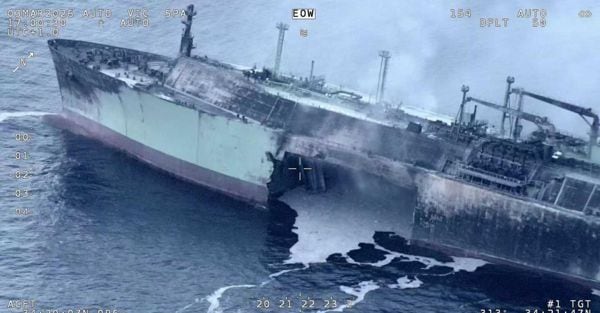
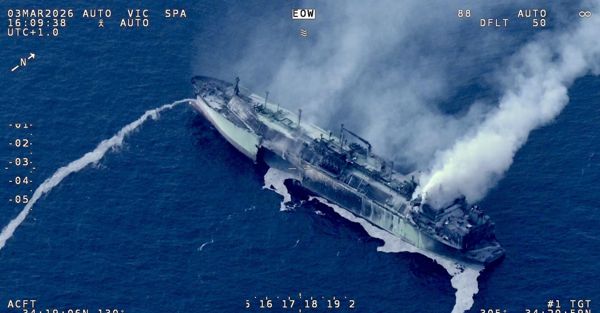
The damaged Russian liquefied natural gas tanker Arctic Metagaz, which has been adrift in the Mediterranean for a fortnight, ent into Libyan search and rescue waters on 18 March, the Italian civil protection agency announced. The agency, which is monitoring the ship, said the most significant risk is the potential release of gas, although no leaks have been detected so far. It is estimated to have 700 tonnes of liquid gas fuel on board.
"Gas leakage is a very real possibility," said a spokesperson, adding that it is not yet clear how much gas remained on board the ship, as two tanks were reported intact, but some of the cargo may have already dispersed at sea.
Italy, France, Spain, Malta and Cyprus warned in a letter to the European Commission that the Arctic Metagaz poses a serious ecological threat and urged the EU to take action in an area where sea conditions are currently difficult.
The EU claimed that the ship was part of the Russian "shadow fleet" used to circumvent sanctions imposed after Russia's large-scale invasion of Ukraine in 2022.
Earlier this month, the Russian Ministry of Transport stated that the Arctic Metagaz, carrying LNG from the Arctic port of Murmansk, was attacked by Ukrainian naval drones and that weapons had been launched from the Libyan coast.