Defence

Russian threat: half of Europe ready to return to conscription

Germany is re-arming itself and preparing the return to compulsory conscription, already present in Scandinavia and the Baltics. The conscription map in Europe

by Enrico Marro
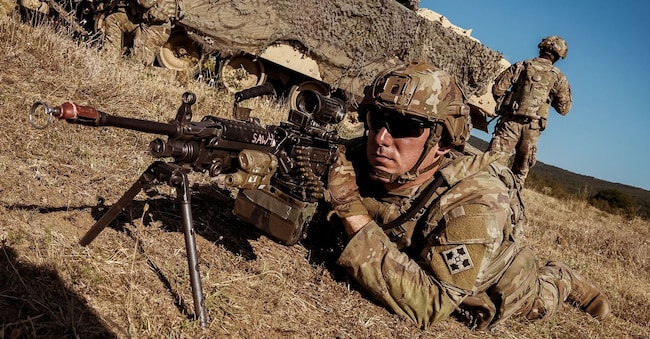
Esercitazione Nato in Bulgaria.

2' min read

2' min read

Germany arms itself against the Russian threat.

By 2029, German defence spending is set to reach 162 billion euros, according to rumours revealed by the Ft, almost double the 95 billion today: 3.5% of GDP compared to 2.4% today. An economic effort never seen since the fall of the Wall and linked to "further rearmament of Russia", as Finance Minister Lars Klingbeil made clear.

Loading...

'Our political task is to ensure that we can continue to live safely in Germany in the future, and to do this we have to make up for the shortcomings of the last two decades. We have to catch up quickly,' Klingbeil cut in front of reporters.

Berlin Towards Compulsory Conscription

It is not only about weapons or bunkers. Germany's armed forces also need men and women: the goal is to double the Bundeswehr's reserves to 260,000 serving soldiers by 2035 and 200,000 reservists by the end of this decade.

Defence Minister Boris Pistorius aims to fill the gap by recruiting volunteers.

But if the operation fails Berlin is ready to return to compulsory conscription, abandoned in 2011. All this with a bill to be presented to parliament immediately after the summer. New infrastructures will obviously be built, starting with casques, and the training of recruits will be enhanced.

And in the face of thelimits of the 'professional army' model shown by the long war of attrition in Ukraine, where human material is beginning to run out on both fronts, Germany is not alone in considering a return to compulsory conscription.

Leverage in Scandinavia and the Baltic States

.

Thenewly joined NATO Finland, which shares more than 1,300 kilometres of border with Russia, hasnever renounced its model of mass defence: every boy is obliged to serve in the military and the reserves are huge (citizens up to 60 years of age are retired).

Lithuania, Estonia and Latvia have reintroduced or strengthened the draft in recent years.

Norway has maintained a selective coscription, extending it as of 2015 to women as well.

Sweden, another country that has just joined NATO, reintroduced compulsory conscription in 2017: it lasts from 9 to 12 months and is reserved for boys and girls who are deemed fit.

Poland, which has one of the highest defence expenditures in the world (4.7 per cent of GDP in 2025), has not yet officially reintroduced conscription but reimburses over 250,000 reservists on a rotational basis.

The rest of Europe

.

Hungary and the Czech Republic have launched voluntary military service programmes, while in Greece and Cyprus the compulsory military service has never gone away, linked to historical tensions with Turkey.

In France from 2019 Macron has launched a voluntary 'universal national service' designed to strengthen the link between young people and the state, but the return to compulsory military conscription remains on paper. As in Italy and Spain.

Copyright reserved ©
Loading...

Brand connect

Loading...

Newsletter

Notizie e approfondimenti sugli avvenimenti politici, economici e finanziari.

Iscriviti