Travelling to exhibitions

Ruth Asawa, the art of weaving in a major exhibition in Bilbao

The ambitious retrospective is a collaboration between SFMoMA in San Francisco and MoMA in New York with the Guggenheim Museum

by Stefano Biolchini

Ruth Asawa in una grande retrospettiva al Museo Guggenheim di Bilbao

3' min read

Translated by AI
Versione italiana

3' min read

Translated by AI
Versione italiana

Her wire sculptures are interwoven with poetic light and dancing shadows, and her hands still seem to trace, slow and fast at the same time, the multiple forms that intersect and ripple, chase and continue one into the other, while the inside and the outside blur in the reflections of light that pass through them. And so, when even the positive becomes negative and the background from context becomes text, Ruth Asawa's infinitesimal and immense art dazzles with intimist emotions and becomes dreamlike in the play of references, echoes and transparencies.
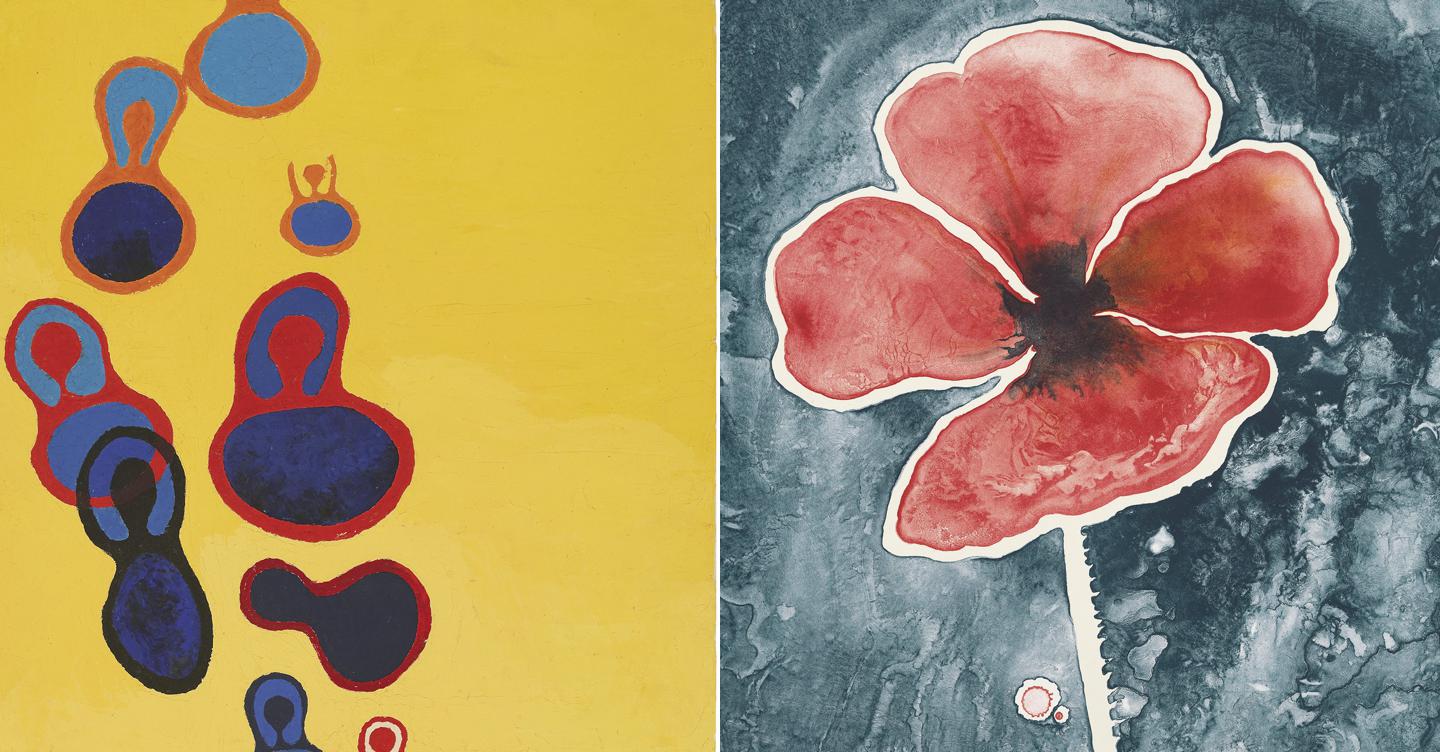
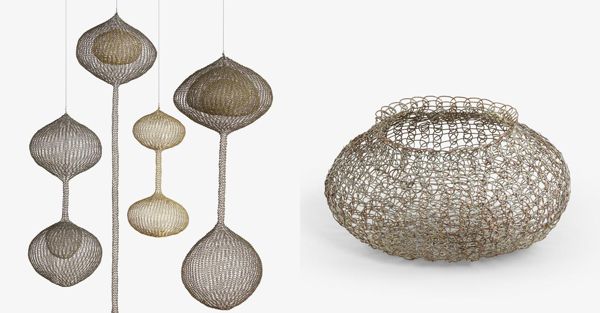
A sinistra: Ruth Asawa, Senza titolo (BMC.52, Dancers), 1948-49 circa; collezione privata; © 2026 Ruth Asawa Lanier, Inc., per gentile concessione di David Zwirner; foto per gentile concessione dei Fine Arts Museums of San Francisco. A destra: Ruth Asawa, Poppy (TAM.1479), 1965; The Museum of Modern Art, New York, dono di Kleiner, Bell & Co.; © 2026 Ruth Asawa Lanier, Inc., per gentile concessione di David Zwirner; foto: © 2015 MoMA, NY

Guggenheim Museum Bilbao

Because Ruth Asawa is this and much more, and the Guggenheim Museum Bilbao is dedicating an unmissable retrospective to her in the year the Japanese-born American artist would have turned 100.

Loading...

Ruth Asawa in una grande Retrospettiva al Museo Guggenheim di Bilbao

Photogallery19 foto

Imprisoned during the Second World War

Fourth of seven children of Japanese immigrant farmers, during World War II, she and her family were forcibly imprisoned by the US government because of their Japanese ancestry.
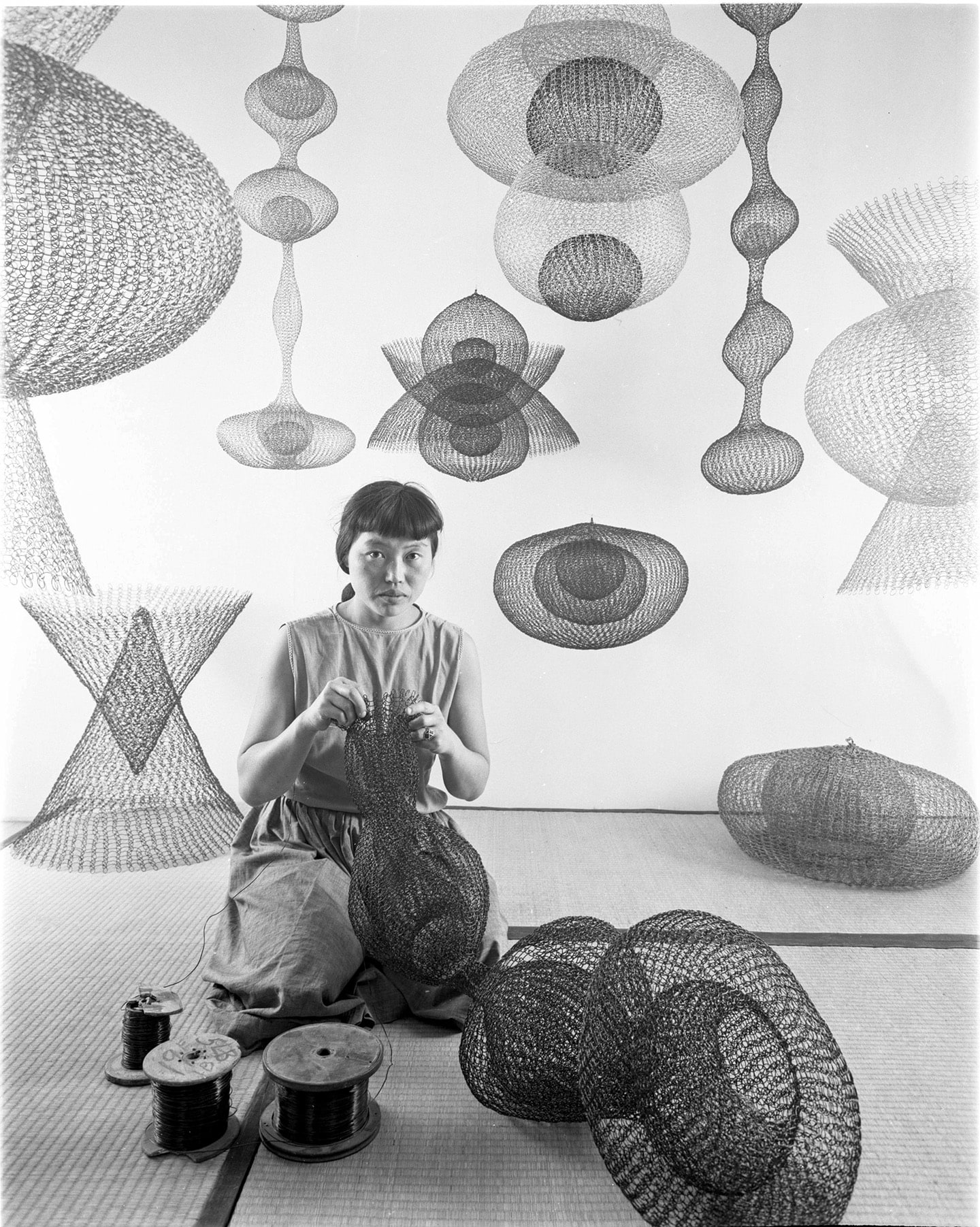
L'artista Ruth Asawa mentre realizza sculture in filo metallico, California, Stati Uniti, novembre 1954; immagine: Nat Farbman/The LIFE Picture Collection/Shutterstock; opera d'arte: © 2026 Ruth Asawa Lanier, Inc., per gentile concessione di David Zwirner

Continuous form in the form

Mine is a 'continuous form within a form' she said, later specifying that 'a form was both inside and outside'.
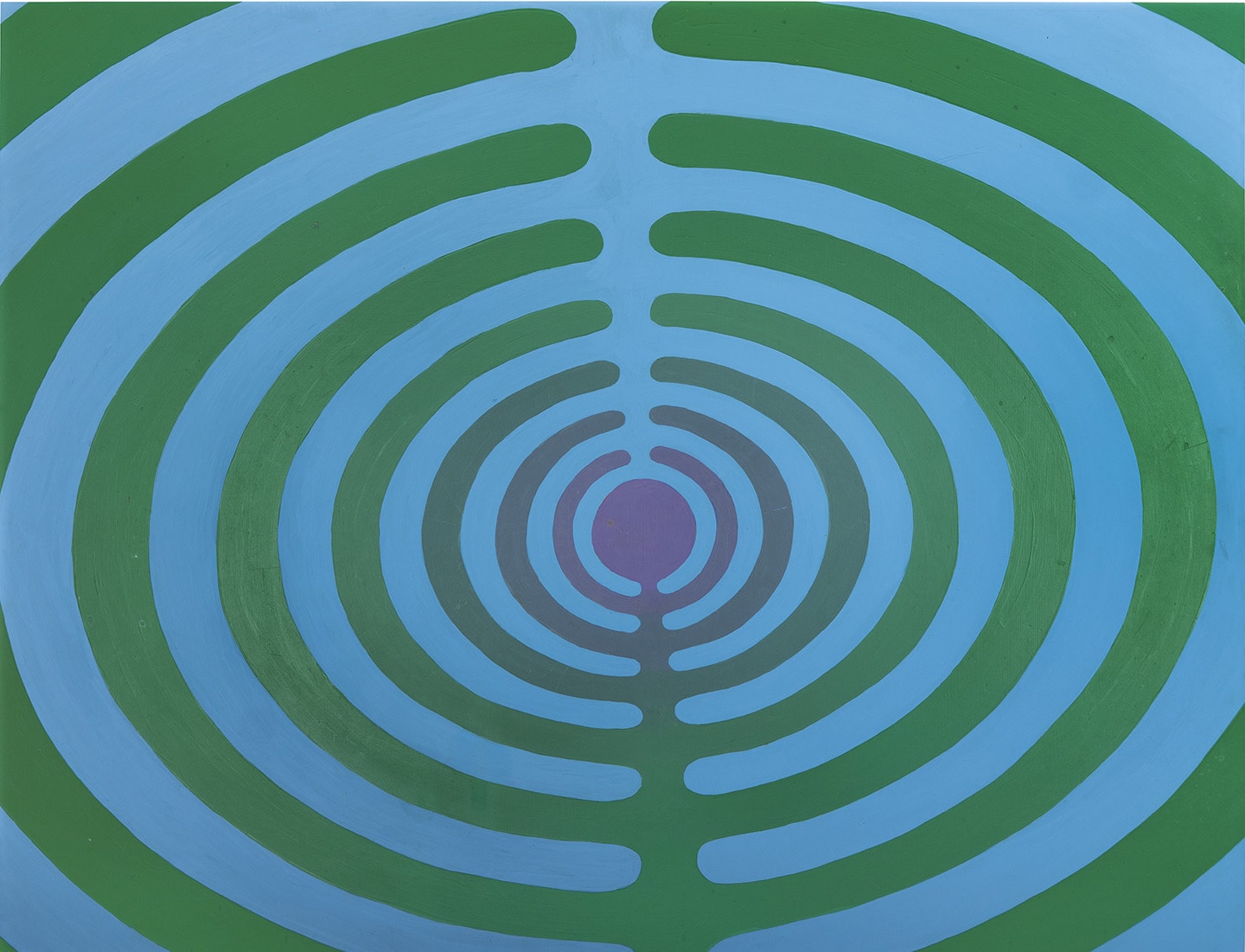
Ruth Asawa; Senza titolo (AB.029, Forma continua all’interno di una forma), 1956; collezione privata; © 2026 Ruth Asawa Lanier, Inc., per gentile concessione di David Zwirner

Challenge the distinction between abstraction and representation

Asawa's is characterised by an art that challenges the distinctions between abstraction and representation, integrating her entire life as an artist, teacher and advocate of the arts into her poetics: a path that she would describe asthe lexicon of my sculpture, and that among the many sources of inspiration she counts the weaving art of the Mexican basket weavers, which she encountered on a trip as a young girl.

A sinistra: Ruth Asawa; Senza titolo (S.046a-d, Gruppo sospeso di quattro, forme a due lobi), 1961; Collezione di Diana Nelson e John Atwater, donazione promessa al San Francisco Museum of Modern Art; © 2026 Ruth Asawa Lanier, Inc., per gentile concessione di David Zwirner; foto: Laurence Cuneo. A destra: Ruth Asawa, Untitled (S.363, Freestanding Basket), ca. 1948; Asheville Art Museum, Asheville, North Carolina, Black Mountain College Collection, acquisto del museo con fondi forniti dal 2010 Collectors’ Circle e fondi aggiuntivi forniti da Frances Myers; © 2026 Ruth Asawa Lanier, Inc., per gentile concessione di David Zwirner; foto per gentile concessione di Christie’s

Biomorphs

His bound wire works inspired by nature, from clay and bronze casts to origami, paintings to drawings, sketchbooks to prints are an invitation to meaningful contemplation of how disparate elements interact in a composition, which in turn interacts with its surroundings.

In my opinion, the word that perhaps best sums up Asawa's poetics is 'interconnection'...

"Interconnection is a key word to describe Ruth Asawa's work," replies curator Cara Manes, "because for her, creating art and living life were really the same thing.

Based on his insights is a trip to Mexico, is that correct?

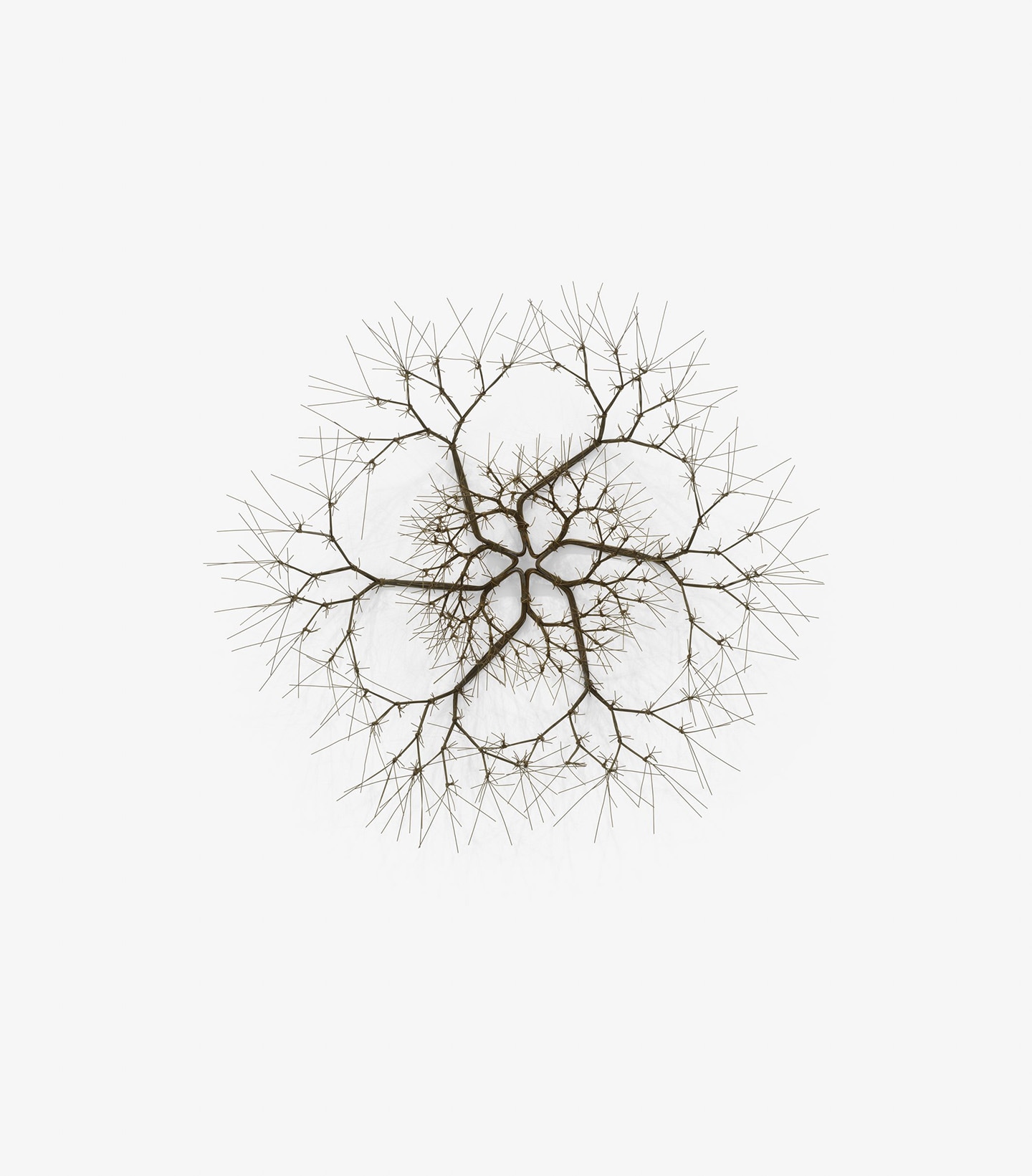
"When Ruth Asawa returned from a very important trip to Mexico in 1947, she adapted a technique from the wire basket art that she had observed there into a sculptural medium. And what he did was radically change the course of art history by creating sculptures that could delineate or delineate a volume without assuming a mass. And he did this by creating a continuous surface composed of a single line of looped wire that interconnects with itself to form a sphere that folds back on itself to form an open sphere, which in turn folds back on itself to form another sphere around itself, and so on; until he creates these forms that can almost be described as air containers and that speak, and really challenge our conventional notions of positive and negative space,

of the inner and outer form and mass'.

Ruth Asawa; Senza titolo (S.451, struttura a filo metallico fissata alla parete, con centro aperto e sei rami ispirata alla natura), 1965 circa; collezione privata; © 2026 Ruth Asawa Lanier, Inc., per gentile concessione di David Zwirner; foto per gentile concessione di David Zwirner

Ten sections

Divided into ten sections spanning a career spanning six decades, this ambitious retrospective is a collaboration between the San Francisco Museum of Modern Art (SFMoMA) and the Museum of Modern Art in New York (MoMA) with the Guggenheim Museum Bilbao .

Ruth Asawa: Retrospective, Guggenheim Museum Bilbao, curated by Janet Bishop, Chief Curator, Thomas Weisel Family, SFMOMA, and Cara Manes, Associate Curator, Department of Painting and Sculpture, MoMA, in collaboration with Geaninne Gutiérrez-Guimarães, Curator, Guggenheim Museum Bilbao, until 13 September 2026

Copyright reserved ©
Loading...

Brand connect

Loading...

Newsletter

Notizie e approfondimenti sugli avvenimenti politici, economici e finanziari.

Iscriviti