
Ruvolo: ‘Tax credit on energy costs for tourism businesses’
In light of double-digit price rises, the association is calling on the Government to set up a technical working group

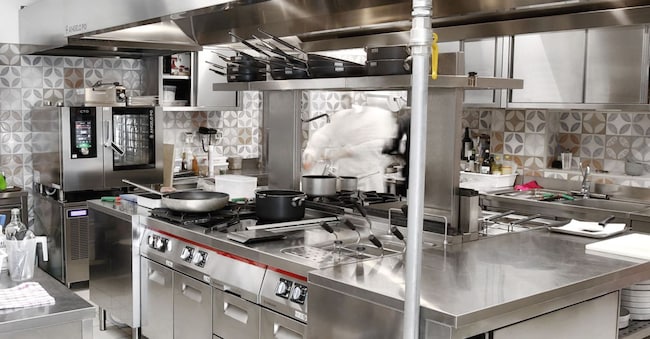
Energy bill increases are reaching 50 per cent and beyond. The high cost of energy is impacting the service sector and tourism, with additional costs causing the sector to lose competitiveness and profit margins. According to the Confimprenditori Observatory, hotels are bearing the heaviest burden: for a typical 45-room hotel, energy costs over the summer quarter have risen from 8,250 to 12,250 euros, an increase of 4,000 euros, equivalent to 48.5 per cent. The situation is no better for the catering sector, where the continuous use of electric cookers, cold stores and air-conditioning systems has pushed quarterly expenditure up from €2,100 to around €3,100: an extra €1,000, equivalent to 47.6 per cent. The impact on beach establishments has been more modest, though still significant, with price rises ranging from 35 per cent to 40 per cent.
A surge in costs has prompted Confimprenditori to call on the Government to take immediate action. Hence the call for the introduction of a tax credit on energy expenditure for tourism businesses, amounting to at least 30 per cent of the additional costs incurred in the June–August 2026 quarter compared with the same period in 2025, modelled on the energy tax credits already used in the past. Confimprenditori is therefore urging the Government to set up a technical working group with trade associations to define the timetable, criteria and implementation procedures for the measure and to include it in the next Budget Bill.
“Tourism businesses are facing increased costs that are not always justified by the actual trend in gas prices on European markets,” says Stefano Ruvolo, president of Confimprenditori. The State, through VAT and its shareholdings in major energy companies, in turn benefits from the increased expenditure borne by households and businesses. That is why we are calling for immediate action: a tax credit to give hotels, restaurants and beach resorts some breathing space, before the price rises are passed on to consumers or, worse still, jeopardise the survival of smaller businesses.”
The measure is intended to be triggered in the event of an increase in the average energy price of more than 30 per cent year-on-year, a threshold which, according to the association, has been significantly exceeded in light of the price rises recorded over the summer months. Confimprenditori is therefore urging the Government to set up a technical working group with trade associations to define the timetable, criteria and implementation procedures for the measure and to include it in the next Budget Bill.
“We cannot ask tourism businesses to absorb increases of this magnitude on their own,” continues Ruvolo. “ “Tourism is one of the driving forces behind the Italian economy, and we cannot allow a new energy crisis to end up squeezing profit margins, investment and employment at precisely the moment when the sector is facing a season of strong demand.”

