
Ryanair: jet fuel costs set to reach $2 billion in 2027. Profits down 15 per cent
The airline is launching a cost-cutting plan to offset fuel price rises. Passenger numbers rose by 6 per cent to 125.8 million, but revenue grew at a slower rate than passenger numbers

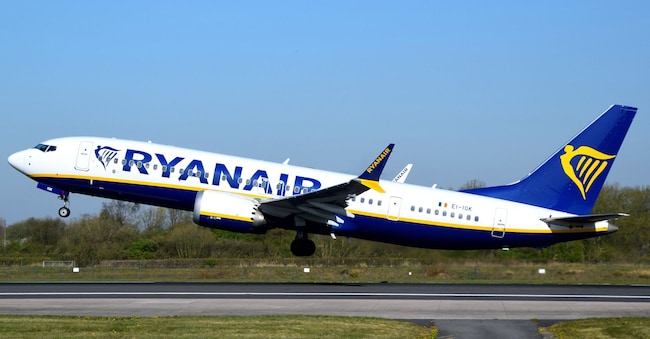
Ryanair is implementing company-wide cost-cutting measures as part of a plan to offset a €2 billion rise in fuel costs next year, as the conflict in the Middle East continues to drive up oil prices. The airline will review its airport agreements, consider reducing the crew-to-passenger ratio and may increase its use of artificial intelligence to cut costs.
The Irish airline made this statement after reporting a 15 per cent fall in net profit for the first half of the financial year ending in September 2026: over the six-month period, the group recorded a net profit of 2.15 billion euros, compared with 2.54 billion in the same period the previous year. The main factors weighing on results were the rise in fuel prices not covered by hedging operations and weak ticket prices, which fell by 4 per cent despite the summer season.
Passenger traffic reached 125.8 million, representing a 6 per cent increase year-on-year. Total revenue rose by 3 per cent to €10.08 billion, whilst operating costs rose by 10 per cent to €7.69 billion. This trend highlights the difficulty of passing on the full cost increase to final prices, even during a period of rising demand.
The main challenge remains the cost of jet fuel. According to the company, the price of fuel not covered by hedging has doubled, reaching around $130 per barrel. The group has hedged around 80 per cent of its requirements for the current financial year at a price of around $67 per barrel, thereby limiting the impact of energy price volatility on its accounts; however, from next March, this hedging cover will fall to 25 per cent at around $95 per barrel. In the absence of a swift resolution to the conflict in the Middle East, the group expects jet fuel prices to remain high well into 2027.
On the commercial front, revenue from scheduled flights rose by just 1 per cent, to around 7 billion euros, against a 6 per cent increase in passenger traffic. The average fare fell from €58 to €55.70. Ancillary revenue (hand luggage and other ancillary services), however, rose by 6 per cent to €3.08 billion, helping to underpin turnover.


