Analysis

Sachs: ‘The Israeli economy must remain open; no to Netanyahu’s proposals’

Ofer Sachs, director of the Israel Manufacturers’ Association, speaks

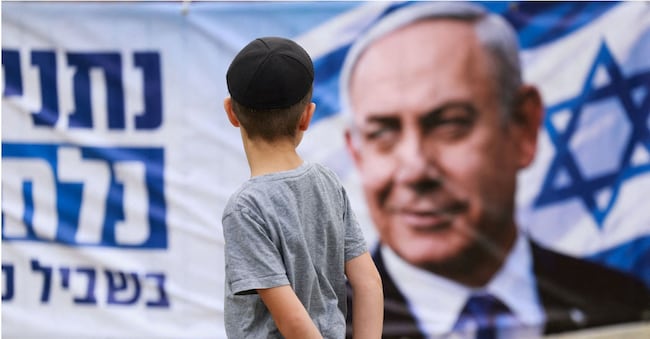
Un bambino osserva uno striscione raffigurante il primo ministro israeliano e leader del partito Likud Benjamin Netanyahu, durante le elezioni nazionali tenutesi in Israele il 27 ottobre 2026. REUTERS/Ronen Zvulun     TPX IMMAGINI DEL GIORNO REUTERS

3' min read

Translated by AI
Versione italiana

3' min read

Translated by AI
Versione italiana

“Israel must remain an open economy. We are strongly opposed to self-sufficiency. We must rebuild our relations with European countries, put an end to our international isolation, and gradually resolve the outstanding issues.” Ofer Sachs knows Italia well, having served as Israel’s ambassador there from 2016 to 2019. In a few days’ time, he will take up the post of Director-General of the Israel Manufacturers’ Association. From his new office in Tel Aviv, he explains to *Il Sole 24 Ore* the challenges facing the Israeli economy during a particularly complex period.

Netanyahu has called on Israel to prepare for new sanctions and a reduction in US aid, proposing a self-sufficient economy and a cryptocurrency system. Can Israel do without global markets?

Loading...

I hope the Prime Minister used this argument during the election campaign. Netanyahu championed globalisation, an open economy and integration into the Western economy. I am strongly opposed to this statement. The growth of the last twenty years is linked to our ability to trade and be competitive. The Bank of Israel has reacted strongly. We in industry have done the same. Although Israel will face difficulties, this is not the solution.

The Israeli economy has weathered the wars. But with seven fronts open and reservists away from work for up to 400 days, how much longer can it hold out?

Over the last twelve months, the stock market has risen by almost 30 per cent, and by 16 per cent since January. Despite the seven ongoing conflicts, industry and high-tech sectors continue to grow. However, the costs of the war will affect growth. I am confident in our ability to recover. The next government will have to keep costs under control. The Ministry of Defence will have to use every shekel efficiently.

Violence by settlers and international isolation have led to sanctions and boycotts. Could this harm the high-tech sector?

I am not unaware of the problem, but I do not believe it is the main reason. Attempts to boycott Israel have been going on for twenty years. The key issue is creating value. As long as we continue to do so, the economy will find its way. The figures do not suggest any damage to the high-tech sector, but I am concerned. I believe it will be the academic world, rather than industry, that will suffer the most. The next government will have to support the economy and industry; otherwise, the results will not be sustainable.

Despite the costs of the war, the economy is holding up. What are the most significant indicators?

The public debt-to-GDP ratio stands at 68 per cent, lower than that of most European countries. Foreign exchange reserves act as a safety net. Unemployment is just over 3 per cent, and inflation is expected to remain below 3 per cent. GDP figures are also positive. Even the war is contributing to growth, although it is not popular to say so. I believe that international investment has reached 27 billion since the start of the year.

Israel is in a political deadlock. What impact will the election result have on the economy?

Loading...

We must wait for the final results, even though the picture is clear. It seems that neither Netanyahu nor Eisenkot can form a stable government without backing down on some of their promises. As business leaders, we would like to see a stable and reliable government. It is essential for the economy. I hope a solution can be found; otherwise, we will be heading back to the polls in five or six months’ time.

Israeli Arabs make up 22 per cent of the population. Are you prepared to integrate them more fully into the economy, despite the discrimination they report?

The shortage of skilled labour is one of the challenges we face. The solution will come from two groups: Arabs and ultra-Orthodox Jews. They will need to integrate into the Israeli economy. We are absolutely ready. We are making every effort to create a favourable environment. Integration is not progressing at the pace we would like, but the answer is definitely yes.

The Netanyahu governments have provided generous subsidies to yeshivas and the ultra-Orthodox community, fuelling social tensions and budgetary problems.

It’s a sort of vicious circle. Orthodox Jews need to contribute to the economy, but they won’t be able to do so sufficiently without the necessary skills and tools. We need to change tack.

Copyright reserved ©

Brand connect

Loading...

Newsletter

Notizie e approfondimenti sugli avvenimenti politici, economici e finanziari.

Iscriviti