
Safe Chips Act: bipartisan senators want to stop Trump on chips to China
Bill introduced to prevent the US administration from easing restrictions on Beijing and also on Russia, Iran and North Korea

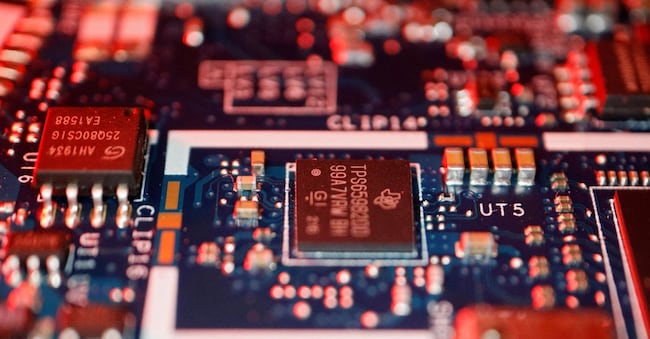
A bipartisan group of US senators, including well-known Republican and anti-China hawk Tom Cotton, introduced a bill on Thursday that would prevent the Trump administration from easing rules limiting Beijing's access to chips for artificial intelligence for two and a half years.
The bill, known as the Safe Chips Act, was introduced by Republican Senator Pete Ricketts and Democrat Chris Coons. It would require the Commerce Department, which oversees export controls, to deny any licence applications from buyers in China, Russia, Iran or North Korea to receive more advanced US AI chips than they are currently allowed to obtain, for a period of 30 months. After that period, the Commerce Department would have to inform Congress of any proposed rule changes one month in advance of their entry into force.
'Denying Beijing access to America's best AI chips is essential to our national security,' Ricketts said in a statement.
The legislation, co-sponsored by Republican Dave McCormick and Democrats Jeanne Shaheen and Andy Kim, represents a rare earth attempt led in part by Trump's own party to prevent him from further easing restrictions on technology exports to China. In the face of new Chinese restrictions on exports of rare earths - crucial materials for global technology companies - the Commerce Department under Trump had first imposed and then rescinded limits on Nvidia's H20 chips for AI, a move criticised by Republican Representative John Moolenaar, chairman of the House Select Committee on China.
As part of negotiations with China to delay its own restrictions on rare earths, Trump delayed for a year a rule that would have restricted US technology exports to subsidiaries of Chinese companies already on the blacklist, and promised to remove a Biden-era rule that restricted AI chip exports globally based in part on the risk of the chips being smuggled into China. The bill comes as the Trump administration considers allowing the sale of Nvidia's H200 artificial intelligence chips to China, Reuters reported. Anti-China hawks in Washington fear that Beijing could use these valuable chips to augment its military with AI-based weapons and more powerful intelligence and surveillance capabilities.

