
Safety and local transport: 29% have experienced harassment on Milan’s public transport
The interviewees come from the academic world, ranging from students to lecturers and administrative staff: a realistic snapshot of the city’s suburbs
by Sara Monaci
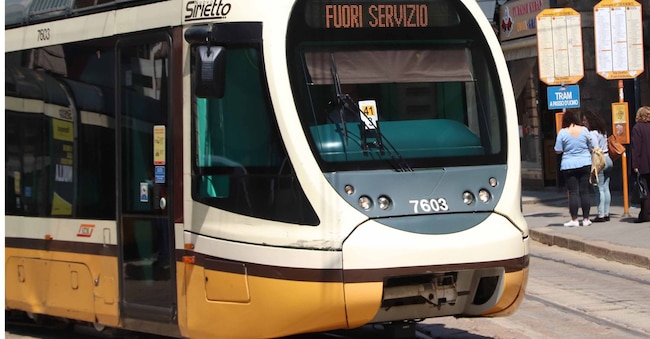
Public transport in the Milan hinterland can be perceived as an unsafe and even dangerous place. According to a study carried out by the University of Milan, 29% of respondents reported having experienced harassment first-hand, with verbal advances being cited by 43% of women.
Unwanted contact ranks second overall, at 25%, and is far more prevalent among women (29%) than among men (13%), amongst whom threats, assaults and thefts are more common. Women are in fact the most affected, with a clear prevalence among those reporting harassment they have directly experienced, whilst men report fewer incidents but appear to be more exposed to assaults and thefts.
In over 70% of reported cases, no one steps in to defend the victim, and only in a minority of incidents do other passengers intervene: this is known as the ‘bystander effect’, i.e. the tendency of witnesses not to act in emergency situations, often because they believe someone else will intervene or for fear of exposing themselves.
In the context of public transport, this effect is particularly pronounced: the close proximity of strangers does not foster solidarity, but rather a widespread indifference, which contributes to reinforcing a strong sense of isolation and vulnerability among victims, particularly among women and younger people. The absence of a visible presence of on-board staff or law enforcement officers further exacerbates this experience, making harassment appear to be tolerated or inevitable.
Any negative experiences, whether direct or indirect, and the inability to rely on the support of others – as reported in many accounts – are factors that have a particularly significant impact on women, the elderly, people with disabilities and ethnic minorities, who face an increased risk of social exclusion and reduced access to mobility.


