
Sales and mergers in the private healthcare sector: the deals are worth one billion
The most recent acquisition is that of the Istituto Dermopatico by Mi Care

The private healthcare sector is facing a challenge worth nearly a billion euros, comprising sales and mergers. It is a sector that is being put to the test by the economic crisis but which, given the considerable interest shown by investors, promises to become a pillar of the country, just as the public healthcare system has been until now.
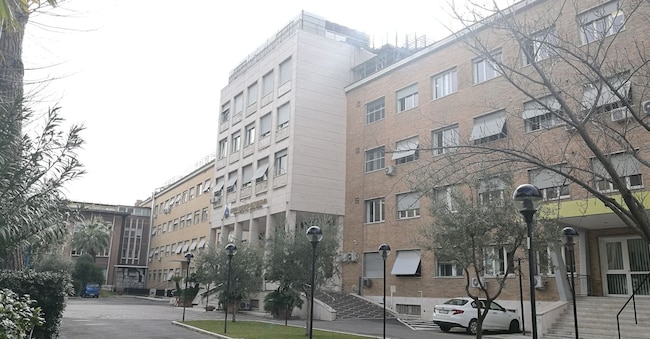
The most recent significant case dates from a few weeks ago and has not yet been finalised: Mi Care, a vehicle of Maire Investments owned by the Di Amato family, has signed an agreement with the Luigi Maria Monti Foundation to acquire control of the Istituto Dermopatico dell’Immacolata in Rome, a scientific hospital and treatment centre (IRCCS) since 1990 and one of Europe’s leading dermatological hospitals. The deal will be finalised following due diligence; the value of the transaction has not been disclosed. It marks the conclusion of a long-running crisis: the special administration in 2013, the transfer to the Foundation in 2015, and the 80 million restructuring agreement in 2022, which involved the sale of the property on Via dei Monti di Creta to a Ream Sgr fund for 47.5 million and a 30-year lease.
The religious hospital thus ends up in the portfolio of a plant engineering entrepreneur who is diversifying into hotels and green chemistry, a clear sign that the Italian capital that kept it afloat — religious orders, foundations, charitable foundations — no longer has either the financial or the managerial capacity to do so, and someone else must step in.
Other transactions have characterised the past year. In July 2026, Reale Group finalised the acquisition of approximately 80 per cent of Lifenet Healthcare from Exor and its founder, Nicola Bedin, who retains a 20 per cent stake and remains at the helm: around 600 million for a group with an expected turnover of over 450 million in 2026, 1,100 beds and 5,000 staff. The stated aim is to move from insurance policies to actual care, thereby integrating the supply chain.
In Milan, the name that best sums up this phase is MultiMedica. Founded in 1986 on the initiative of Daniele Schwarz, who remains the sole shareholder, it is the fourth-largest accredited private healthcare provider in Lombardy, comprising the cardiovascular IRCCS in Sesto San Giovanni, the San Giuseppe hospital taken over from the Fatebenefratelli, Castellanza, and Limbiate, totalling 3,000 staff and an A&E department handling 33,000 visits. In financial circles, the name Lifenet is being mentioned as a potential successor.


