Film and Media

'Salvation' and 'Nightborn', nightmarish family breakdowns

In competition at the Berlinale are two feature films that, in different ways, deal with horror within domestic contexts


Salvation

2' min read

Translated by AI
Versione italiana

2' min read

Translated by AI
Versione italiana

 Disturbing presences at the Berlin Film Festival: 'Salvation' and 'Nightborn', both presented in competition, deal with themes bordering on the paranormal, albeit with very different logics.

The first is the new feature by Emin Alper, a Turkish director who returned to the main Berlin competition seven years after 'A Tale of Three Sisters', but his first feature 'Beyond the Hill' had already been presented at the Berlinale in the Forum section.

Loading...

Set in a remote village, 'Salvation' is about the return of an exiled clan, whose return to the territories threatens to reignite a decades-long feud over land. Struck by divine visions that he believes are genuine warnings, Mesut begins to challenge his brother - the community leader - to try to protect his people.

Will the tensions between the two lead to tragedy or salvation? This is the starting point for this feature film, which focuses on a possible family break-up as the only way to escape the inevitable.

There are several references, even too explicit, to Cain and Abel and to a cultural tradition that sees in the birth of twins the presence of something diabolical.
The microcosm represented soon becomes a metaphor for something broader, also and above all for a police and administration that seem to turn a blind eye to these clashes.

Prejudices and shortcomings

While some socio-political reflections are of considerable interest, 'Salvation', however, has a redundant narrative structure, where especially the dream and nightmare sequences are so repeated as to highlight the difficulty of carrying the narrative forward without them.

Alper is by now an experienced director and his staging is quite effective, but he struggles to give the images the right rhythm due to poor editing and too many entirely superfluous sequences.

Something to think about remains at the end of the viewing, but it is not enough to make this film fully successful.

Nightborn

Nightborn

Similar results are achieved by 'Nightborn', the second feature film by Finnish director Hanna Bergholm after the very promising 'Hatching'.

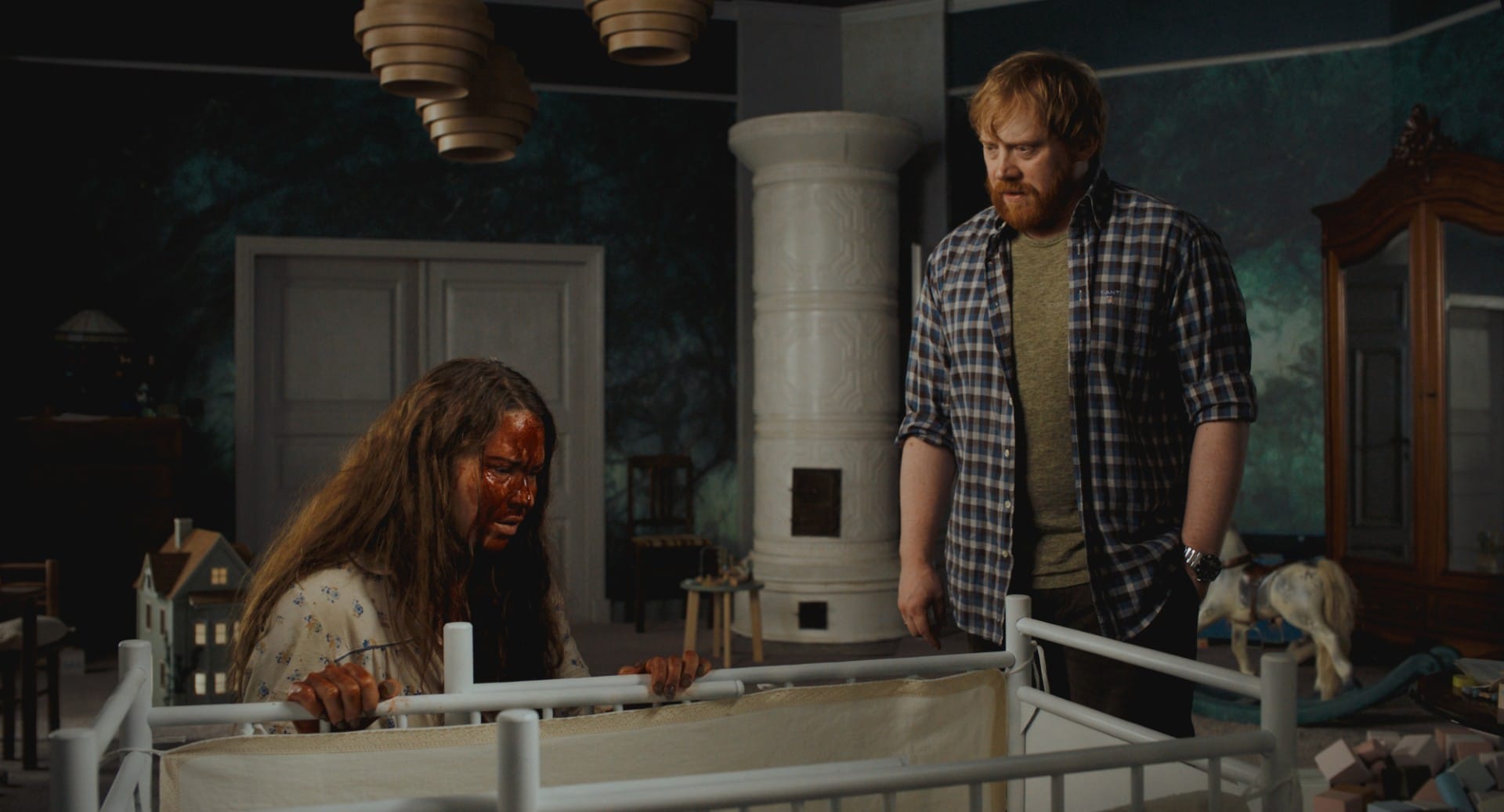
At the centre of the narrative is a couple who choose to abandon city life and move to a house in the middle of a forest. Here they will conceive a son who, from birth, will lead the mother to see him as a monstrous figure that has nothing to do solely with mankind.

The director plays with the horror genre and the different perceptions people have of the newborn child at the centre of the film. The allegory of monstrosity as a reference to the difficulties of motherhood is interesting, but Bergholm uses excessive and far too didactic symbolism in an attempt to explain as much as possible what is happening.

The directorial style is not bad at all, but one gets the feeling of a somewhat missed opportunity, especially when approaching the disturbing conclusion.

Worthy of note is the remarkable performance of actress Seidi Haarla, known to the cinephile public for her role in Juho Kuosmanen's 'Compartment No. 6'.

Copyright reserved ©
Loading...

Brand connect

Loading...

Newsletter

Notizie e approfondimenti sugli avvenimenti politici, economici e finanziari.

Iscriviti