Food, but not only that

Same price but less product: the new rules come into force on 15 July

Barring any last-minute developments, that day marks the expiry of the deadline by which the European Union may challenge the measures proposed by the government. On 15 April, the Mimit notified the European Commission of the draft legislative decree entitled ‘Measures to combat commercial practices involving the repositioning of pre-packaged products’, a procedure which allows three months for any objections from the EU; in the absence of such objections, the decree – as Codacons explains – is deemed to have been approved

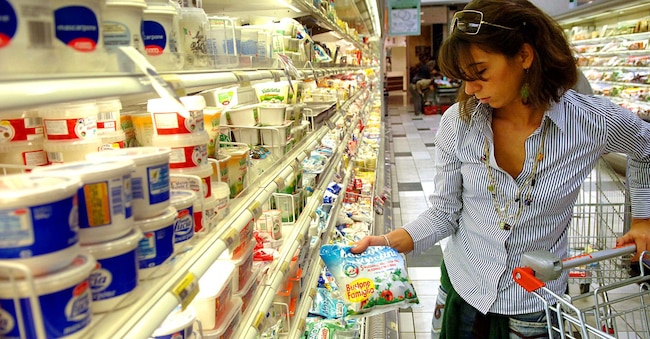
Imagoeconomica

3' min read

Translated by AI
Versione italiana

3' min read

Translated by AI
Versione italiana

From 15 July, barring any last-minute surprises, the new Italian regulations against ‘shrinkflation’ – the phenomenon of reducing the quantities of pre-packaged products without a corresponding reduction in prices – will come into force. Codacons points out that 15 July marks the deadline by which the European Union may challenge the measures proposed by the government.

On 15 April, the Mimit notified the European Commission of the draft legislative decree entitled ‘Measures to combat commercial practices involving the repositioning of pre-packaged products’, a procedure which allows three months for any objections from the EU; in the absence of such objections, the decree – as explained by the consumer association – is deemed to have been approved.

Loading...

The 2024 precedent

In 2024, through the Competition Bill, the government took action against shrinkflation by amending the Italian Consumer Code with the introduction of Article 15-bis, which imposed a temporary obligation to indicate on the label any reduction in the quantity of products, so as to properly inform consumers purchasing the ‘shrink-sized’ product.

The launch of infringement proceedings against Italia

However, in March 2025, the EU had launched infringement proceedings against Italia for breaching the Single Market Transparency Directive, forcing the government to backtrack by overhauling the entire legislative framework through a new legislative decree submitted to the EU for scrutiny.

Codacons: watered-down regulations

From 15 July, therefore, the new measures against shrinkflation will come into force, but Codacons points out that the rules appear to have been watered down and lack teeth: under the Mimit decree, in fact, the obligation for manufacturers to include the following wording on labels “This pack contains X (unit of measurement) less than the previous quantity”, which has been replaced by a communication system across the supply chain involving both physical and online distributors and retailers.

In the event of a reduction in the nominal quantity of a product, operators in the supply chain (manufacturers, distributors) must provide retailers with a standardised notice containing details of the change and the percentage price increase attributable to the reduction in content; this information must be made available to consumers at points of sale or via digital channels.

Furthermore, the information requirement will be of shorter duration: it has been reduced from the six months initially envisaged by the government to the current three months, to take effect from the date the product is placed on the market in its new formulation or reduced quantity – the association emphasises - Furthermore, cases where the reduction in quantity is accompanied by changes to the product’s formulation that improve its performance or effectiveness, whilst maintaining the overall value for the consumer, are excluded from the scope of the regulation.

Foodstuffs hardest hit

Shrinkflation affects the consumer goods market, which is worth 120 billion euros a year in Italia, and leads to hidden price rises averaging between +10% and +18%, with peaks of up to +40% in some cases – notes Codacons – Among the goods most affected by this phenomenon are foodstuffs, led by cereals, yoghurt, ice cream, snacks, biscuits, rusks, ready-made sauces, packaged cheeses and soft drinks, as well as household products (detergents, toilet paper) and personal care items (shower gel, shampoo, toothpaste, etc.). No one knows the true impact of shrinkflation on consumers’ pockets, as the phenomenon is not specifically tracked by Istat as part of its inflation monitoring; however, assuming even a minimal effect of +0.1 per cent per annum on the prices of the entire basket of consumer goods, the cost borne by households over the last 15 years would amount, according to the consumer association, to 1.8 billion euros.

The other risk: ‘skimpflation’

And consumers now face another threat: ‘skimpflation’ – the practice whereby manufacturers and retailers cut costs by reducing the quality of the raw materials used in finished products or by cutting back on the services offered to customers, without lowering prices or tariffs for the public. Thus, butter or olive oil are replaced with the cheaper palm oil or margarine; fresh eggs are substituted with powdered or liquid egg yolks and whites; and ready meals and sauces reduce their meat content in favour of thickeners and water. And there’s more: smaller portions in restaurant meals, breakfast charged as an extra in accommodation establishments, and less frequent cleaning of hotel rooms.

Copyright reserved ©
Loading...

Brand connect

Loading...

Newsletter

Notizie e approfondimenti sugli avvenimenti politici, economici e finanziari.

Iscriviti