
Samsung and SK Hynix have decided to reward their shareholders
The two South Korean memory giants are moving in the same direction, and the market is rewarding them for it

Following SK Hynix, Samsung is next. The two South Korean ‘sisters’ (rivals), who are playing an increasingly central role in the global memory market, are preparing a substantial payout to shareholders. From SK we wrote about SK Hynix yesterday. Just a few hours later, Samsung also appears to have set its sights on the same course. The Asian giant, which recently unveiled an impressive range of new foldable smartphones, is, according to various sources, preparing to announce (by the end of August) a shareholder remuneration plan worth over 100,000 billion won, approximately 72 billion dollars.
The board of directors is expected to meet in the coming weeks to approve the package, which would include a special dividend and a commitment to allocate 50 per cent of free cash flow to shareholder remuneration, with a focus primarily on cash dividends.
The move, as mentioned, comes just a few hours after that of its rival SK Hynix, which on Wednesday unveiled the largest shareholder return programme ever announced by a South Korean listed company: 40,000 billion won – just under 29 billion dollars – in the form of share buy-backs and cancellations. Specifically, the world’s second-largest memory manufacturer will buy back up to 24 million of its own shares and cancel them by mid-November. At the same time, it has raised the bar for the medium term, committing to distribute over 50 per cent of cumulative free cash flow between 2025 and 2027, compared with the previous target which set that threshold as the upper limit.
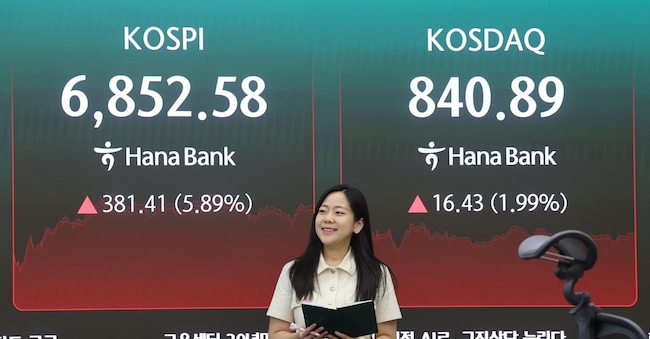
The markets clearly reacted immediately, with Samsung’s share price rising by as much as 10.3 per cent and SK Hynix’s by 14.7 per cent.
It must be said that the two companies are raking in record profits, yet they have nevertheless decided to move almost simultaneously in the same direction. This is partly because, in the preceding weeks, both shares had come under pressure, overwhelmed by investors’ doubts about the sustainability of spending on artificial intelligence hardware.


