
Sangalli: with consumption above pre-Covid levels – expected to rise by 1.2 per cent – a strong boost to growth
According to the president of Confcommercio, GDP growth this year could exceed 1 per cent; despite the turbulence, the Italian economy continues to show signs of vitality

Key points
Against a backdrop of ‘extreme difficulty’ on the international stage, our economy ‘is demonstrating strong resilience and is in good health: consumer spending has picked up and exceeded pre-Covid levels, and GDP growth this year may exceed 1 per cent’, and the negotiations on representation and collective bargaining between the social partners ‘may yield the expected outcomes regarding wages and the fight against contractual dumping’.
The recovery in real per capita expenditure in recent years
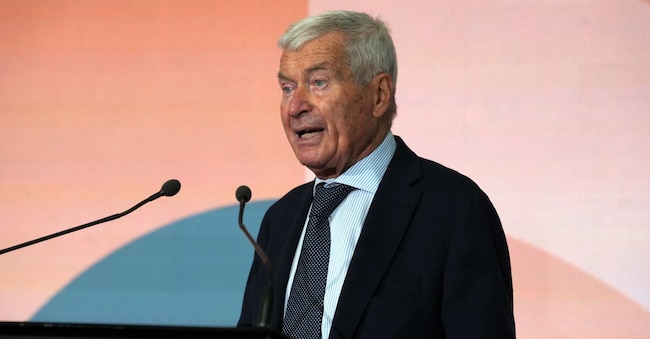
In an interview with *Il Sole 24 Ore*, Confcommercio’s president, Carlo Sangalli, makes no secret of his concerns regarding the uncertainties surrounding geopolitics and ongoing conflicts, and their potential impact on inflation as the economy picks up in the autumn. However, despite the turbulence, “the Italian economy continues to show signs of vitality,” he maintains, citing the preliminary estimate of GDP growth of +0.2 per cent in the second quarter and the contribution of domestic demand.
Real per capita expenditure has shown a gradual recovery in recent years, exceeding pre-Covid levels in the second half of 2026, rising from €19,877 in 1995, to €22,097 in 2019, before reaching €23,261 in 2026. This recovery has been driven by strong trends in employment and incomes: ‘Growth is continuing steadily thanks to domestic demand, tourism, services and a labour market that remains at its highest levels ever,’ comments Sangalli. ‘Regarding growth estimates, we were the first to forecast a 0.9 per cent change in GDP, which has now been confirmed by Istat. Taking a cautious view, we can envisage reaching as high as 1.1 per cent, whilst the estimate for consumption is +1.2 per cent. It is not yet the pace the country needs, but it is a good result. We must now transform this resilience into more robust and sustainable growth.”
How can this be achieved? We need ‘lower taxes on labour and businesses, less red tape, competitively priced energy and more investment. Above all’, economic policies must ‘fully recognise the value of the market-based service sector, which continues to be the main driver of employment and domestic demand: strengthening it means strengthening the entire economic system’.
Talks between the social partners on contracts and representatives
The latest development is the launch, on 29 July, of a round-table discussion between employers’ organisations and trade unions aimed at reaching a framework agreement between the social partners on representation and the structure of collective bargaining, following the government’s decision not to exercise its delegated powers on these issues, specifically to give companies and trade unions, to reach a comprehensive agreement independently. “The most significant development was not merely the start of the discussions, but the joint decision to set out a roadmap and a timetable,” adds Sangalli. And this provides a sound basis for reaching a framework agreement by September, or in any case by the autumn, to kick off the contract renewal season with clear and agreed rules. It is certainly an ambitious goal that we must tackle with a greater sense of responsibility. The Government has allowed us to work towards this goal whilst respecting the autonomy of the intermediary bodies.”


