
Accademia di Santa Cecilia, takings increased by 42% in 2023
The trend of audience and revenue recovery after Covid continues in 2024, with encouraging results. Young spectators are also on the rise

4' min read
Key points
4' min read
After a 2023 that closed with a 27% increase in ticket sales and even a 42% increase in takings - even with the same prices - 2024 has so far recorded encouraging numbers in terms of audience and revenue. "There is a positive trend that is also confirmed this year, and this is certainly positive," notes the president and superintendent of the Accademia Santa Cecilia in Rome, Michele dall'Ongaro, at the helm of the capital's opera foundation since February 2015 and soon to leave his post, in February 2025, to coincide with the expiry of the current board of directors.
The strength of a long history behind it
."We are leaving an institution with over 500 years of history and a superb past that spans the vicissitudes of our country," says the president. From the papal bull of Sixtus V that gave life to the Accademia in 1585, to the great musicians who have worked here, from Corelli to Puccini, from Respighi to Vivaldi, from Scarlatti to Donizzetti... all the great masters have had something to do with the Accademia'.
A history that, whoever is at the helm of this institution, has always wanted to continue, while innovating, without breaking with the past, but in the furrow of continuity. "We have made a lot of changes in these five years in office, especially after Covid," adds the president, "but they are in the groove of this prestigious tradition.
Quality and proposal, despite the crisis
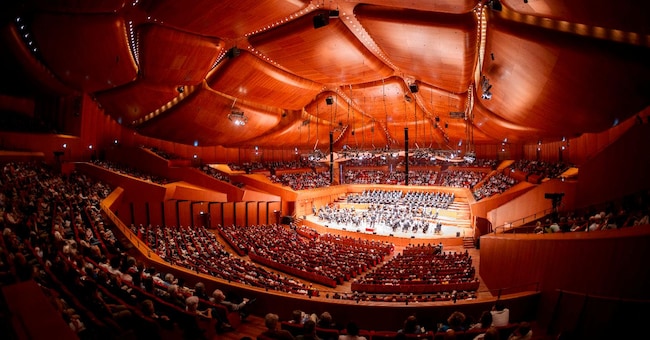
Obviously Santa Cecilia, like all opera foundations, has had to come to terms over the last 15-20 years not only with the pandemic, but more generally with the crisis that has progressively reduced public and private funding for culture. "Yet we have managed, without making cuts and above all without lowering the artistic quality of the proposal, to deal with the difficulties that the world of economics has gone through," explains dall'Ongaro, outlining a balance of his mandate. "The cost of producing, for example, a string quartet is the same as it was in Haydn's time, but today we have a hall with 2,800 seats, with two replicas per concert, so we have to bring almost 6,000 people for each title on the bill.
Not an easy challenge: 'When we talk about hall fill rates we have to consider that we have one of the largest auditoriums in Europe,' adds the president, 'in a country that has no symphonic tradition.

