
Sardinia: the call for maritime territorial continuity for freight
Confindustria Sardegna’s initiative to support businesses forced to cope with high transport costs

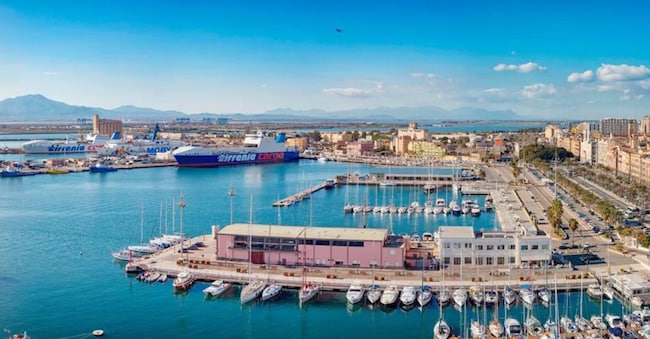
The high costs of freight transport are taking their toll on businesses. Confindustria Sardegna has therefore launched an appeal to the authorities – via Sardinian MPs and the Regional Government – calling for the establishment of maritime territorial continuity for freight (i.e. transport at a fixed, capped rate) and the launch of two new routes to the mainland. This is also because the repercussions affect the island’s entire economy.
The appeal
“This is not a partisan battle, nor does it concern the business world alone. It is an issue that affects the whole of Sardinia and its future – not only economically, but also socially,” emphasise Alberto Cellino and Andrea Porcu, respectively President and Director-General of Confindustria Sardegna. “ ‘High freight transport costs and recent challenges to the territorial continuity of people risk accelerating the exodus from Sardinia, not only of young people but also of businesses and workers.’
That’s not all: ‘We can no longer accept,’ they add, ‘that our island status results in an unfair and unsustainable additional cost borne by those who still have the courage to produce and run businesses in Sardinia.’
The request
The request is to establish and fund, under a public service obligation, two new maritime freight routes: Cagliari–Genoa and Olbia–Marina di Carrara, by identifying the necessary resources in the forthcoming budget, including through the strengthening of the National Fund to combat the disadvantages arising from insularity.
Confindustria Sardegna’s submission supports the ‘joint initiative already launched by the Region of Sardinia, through the Department of Transport, which, in recent days’ “a request was made to the Ministry of Infrastructure and Transport to initiate the procedure for the recognition of public service obligations, in accordance with European legislation, for these two maritime freight routes.”

