
Sarno River: dredging and regeneration to begin with a 400 million tender
The “Grande Sarno” project, commissioned by the Campania Region, is now underway. Tenders must be submitted by 25 September

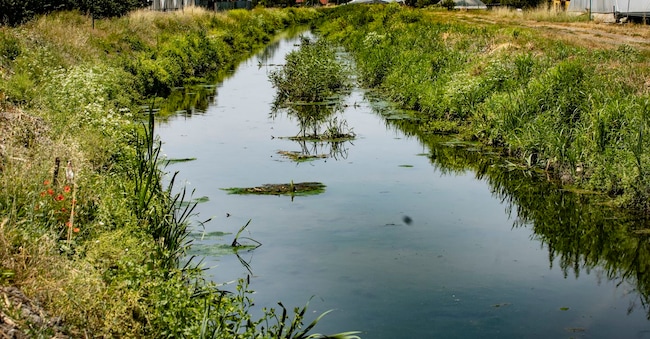
A major new project is getting under way to regenerate the River Sarno, which until a few years ago was considered the most polluted river in Europe – but is no longer so. The Campania Region has, in fact, published an open electronic tender for the conclusion of the four-year Framework Agreement dedicated to the ‘Strategic Programme for Environmental Regeneration and Flood Risk Mitigation in the Sarno River Basin’.
An action plan involving a total investment of €406,990,761.29, co-financed by the European Union under the ‘Cohesion Italia 2021–2027’ programme. The tender procedure, divided into seven lots, will be awarded on the basis of the most economically advantageous tender.
This is one of two major projects relating to the river. The second, which is about to get underway, is the ‘Grande Sarno’ project, led by the Campania Region, which aims to restore the environment and ensure the safety of the river basin.
The other project, which is at a more advanced stage and is being managed by Gori, the implementing body, focuses on pollution control by upgrading the domestic sewerage network and wastewater treatment plants, with the aim of improving the water quality of the River Sarno and the Gulf of Naples, into which the river flows. It covers an area of 500 square kilometres with a population of around 850,000.
The Grande Sarno project is expected to increase reservoir capacity by over 5 million cubic metres by 2032. This is a necessity following the frequent flooding of recent years, which has caused damage to homes and agriculture. The plan also provides for the upgrading of flood control basins. Taken together, these works will ensure a hydraulic flow rate of 120 cubic metres per second at the mouth of the river, thereby safeguarding populated areas. Work will therefore begin with the dredging of the entire catchment area, divided into three main areas of intervention. The soil and materials removed during dredging will be transported to dedicated facilities for dewatering and treatment.


