
Schools without smartphones: here are the laws in European countries
From Italia to Austria, via Greece, Spain and Poland, the number of countries restricting or banning the use of mobile phones in schools is growing
by Silvia Martelli (Il Sole 24 Ore)
 Aggiungi Il Sole 24 Ore
ai preferiti su Google
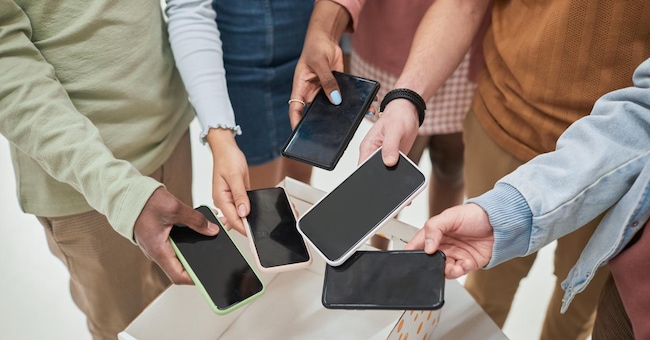
For years, smartphones have been regarded as an inevitable part of everyday school life. On the one hand, they are useful tools for digital learning; on the other, they are a constant source of distraction, conflict and concern for teachers and families. However, something is changing: across Europe, governments and education ministries are choosing to restrict, or even ban, the use of mobile phones in schools.
These are not isolated initiatives. From Italia to Austria, from Greece to Croatia, via Spain, Poland and other countries in Central and Eastern Europe, the issue has become a political priority. The methods of implementation and the degree of strictness of the rules, but the overall aim is the same: to reduce the amount of time spent in front of screens during the school day and to refocus attention on learning and relationships between pupils.
This trend is driven by a number of factors. On the one hand, there is a growing body of research linking excessive smartphone use to difficulties in concentrating, a decline in academic performance and a deterioration in the psychological wellbeing of adolescents. On the other hand, there has been a rise in incidents of cyberbullying, unauthorised recording in the classroom and the sharing of images on social media. Added to all this is a broader concern, shared by many European governments: digital addiction amongst young people.
Yet the consensus is far from unanimous. Whilst many teachers and parents see bans as a necessary means of restoring a more peaceful environment to schools, other experts warn against the risk of tackling a complex problem with an overly simplistic solution. Banning mobile phones, they argue, does not automatically mean teaching pupils to use technology responsibly.
Italia opts for a hard line
Italia, too, is part of this European trend. Over the last two years, the Ministry of Education and Merit has gradually tightened the rules, resulting in a much more restrictive regulatory framework than in the past.


