Sea and politics in the bizarre elegance of the Brijuni Islands
From a luxury destination at the end of the 19th century to the heart of Tito's non-aligned diplomacy, the small Croatian archipelago today is a nature reserve where silence and culture reign
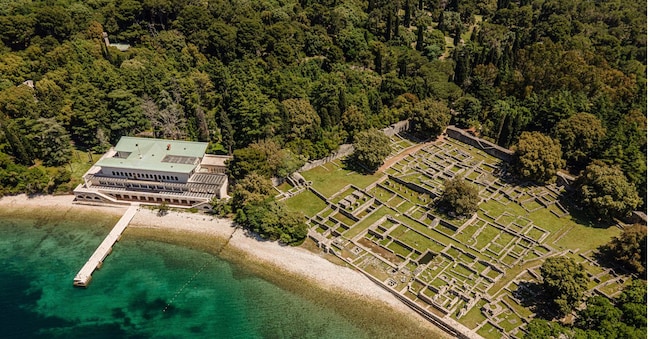
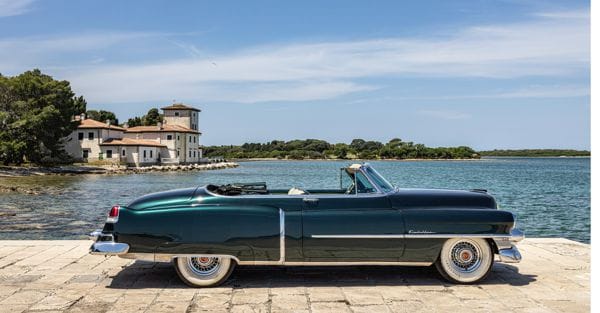
A parrot, Koki, aged 70, and an elephantess, Lanka, aged almost 54. Hotels with modernist furnishings, an exhibition with a layout unchanged for forty years, a 1953 brass-coloured Cadillac convertible (the only motorised vehicle allowed), photos of Sophia Loren fishing and of Queen Elizabeth aboard a strange electric vehicle. "When we first arrived on Brijuni, we felt as if we were on the set of a Wes Anderson film," write Sabina and Reiner Opoku, art producers and travellers who dedicated "Brijuni Islands", a guide-book published by Skira and the first to tell their rich and bizarre story, to the archipelago of 14 islands, almost uninhabited, off the coast of Pula, Croatia. "An atmosphere of cheerful absurdity", as they effectively describe it, is revealed to those who disembark on the larger Brijuni, the largest of the islands with its 5 square kilometres, after a 15-minute ferry crossing from Fažana, on the mainland coast.
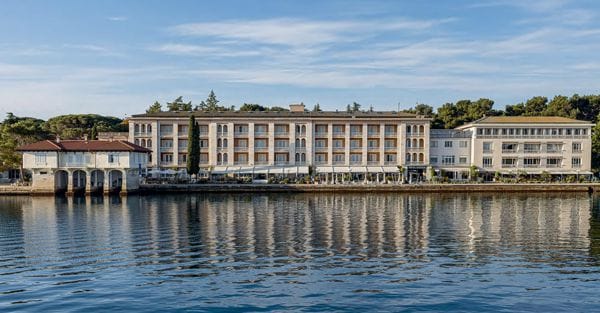
It all began in the last years of the 19th century, when Austrian steel entrepreneur Paul Kupelwieser saw in that small group of islands the possibility of creating a tourist paradise for the aristocracy and wealthy upper middle class of Europe at the time. He therefore bought them for 75 thousand gulden (about 1 million euro) and after hiring what today we would call a landscape designer, Aloisie Zuffar, to refine islands used only as quarries by the Venetian Republic, and built the first hotel, he did not however reckon with the Anopheles mosquito, the carrier of malaria, which infested the islands. To eradicate it he then called in Robert Koch, the German microbiologist who was to win the Nobel Prize for medicine in 1905.
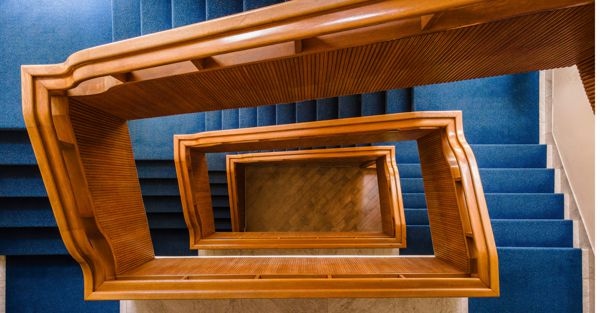
Kupelwieser's project finally took off, guests such as Thomas Mann and James Joyce stayed in the new hotels of absolute luxury for the time, one even with an indoor heated seawater swimming pool, the first of its kind. Karl Wittgenstein, the wealthy father of the philosopher Ludwig, also invested in it, and a magazine was published, informing about the presences and events on the islands. But war looms, and after the break-up of the Habsburg Empire, Brijuni begins its years as an Italia territory: the hotels are renovated, Umberto Nordio transforms the now decadent Hotel Brioni into the modern Karmen, with beautiful designer furnishings that are still beautiful today. And such was the elegance emanating from that resort that Nazareno Fonticoli and Gaetano Savini in 1946 named their luxurious men's tailor shop opened in Rome 'Brioni' (later to become the men's clothing brand we know today).
However, it was the years when Tito was president of Yugoslavia that were most interesting for the Brijuni Islands: Tito loved them so much that he spent six months of the year there, electing them as the ideal second capital of the state and the heart of his diplomatic and cultural policy. In the White Villa on Brijuni, a representative residence, he hosted politicians and stars of the time, whom he personally took to visit beaches and Roman remains. To Brijuni over the years came the protagonists of the non-aligned countries, Nehru, Nasser, the Shah of Persia, Che Guevara, Haile Selassie. Some brought animals as gifts to Tito that made up a 'political' zoo, such as the elephantess Lanka, who was just a cub when she arrived on Brijuni with Sonia Gandhi. Richard Burton and Liz Taylor are immortalised in several shots with Tito, who drove them around the island in his brassy Cadillac and convinced the Welsh actor to play him in the film The Fifth Offensive, as part of his policy of promoting Yugoslav cinema.

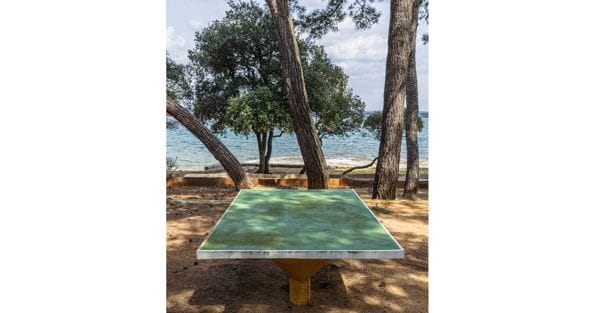
Since 1983, three years after Tito's death, the Brijuni Islands have become a national park, now one of the most visited in Croatia, with 200,000 people a year discovering its best-known and most hidden stories, the ruins of the Byzantine castrum and dinosaur footprints on the rocks, trying out the 1950s table tennis tables under the maritime pines and ordering aperitifs while gazing at the Adriatic from the bars of the historic hotels. They are the only ones you can stay in, and if the comfort is period, so is their quirky charm (those who cannot do without contemporary comforts and a spa have the option, in Pula, of the Grand Hotel Brioni).