
Inter, second consecutive profit: 22.7 million and net assets back in positive territory
The Nerazzurri board of directors has approved the draft financial statements as at 30 June 2026, showing a turnover of 518 million euros – the second-best result in the club’s history

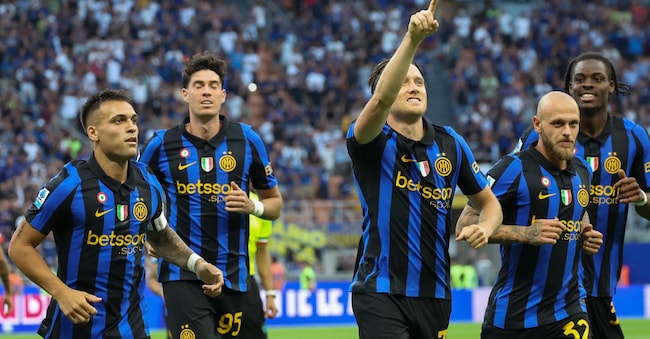
Inter has consolidated the financial recovery programme launched in recent years and has closed the 2025/26 season with a profit for the second consecutive financial year. The Board of Directors has approved the draft financial statements, which show a net profit of €22.7 million, following a profit of approximately €35 million in the previous financial year, marking a structural turnaround from the heavy losses that had characterised much of the last decade. With profits totalling 57 million over a two-year period.
Perhaps the most significant figure is the return of shareholders’ equity to positive territory. At the end of the financial year, the Inter Group reported equity of €10.4 million, compared with a negative figure of €12 million recorded twelve months earlier. This indicator demonstrates the strengthening of the club’s financial structure and the gradual reduction of the vulnerabilities accumulated during the years of the pandemic and the subsequent financial crisis.
In terms of revenue, turnover stood at 518 million euros. This is the second-best result in Inter’s history, surpassed only by the €567 million recorded in 2024–25 – a season characterised, however, by exceptional factors such as participation in the FIFA Club World Cup and the run to the Champions League final.
An analysis of the financial statements shows that this improvement is not due to one-off events but rather to greater stability in the business model. Profit was, in fact, underpinned by the consolidation of recurring revenue and a reduction in production costs of around 20 million euros, equivalent to 4 per cent.
A significant contribution comes from the commercial division, which continues to be one of the cornerstones of the club’s growth strategy. Revenue in this area rose by 7 per cent, driven primarily by merchandising thanks to the new operating agreement with Fanatics, a global leader in sports licensing. Revenue from match-day activities, measured in terms of average revenue per event, has also risen.


