Video games

A new lease of life for GameStop: Pokémon, collectables and eBay

Ryan Cohen’s group is attempting to develop a new business model as traditional retail loses ground. Revenue fell by 19 per cent in the second quarter, whilst the collectables sector is gaining momentum

4' min read

Translated by AI
Versione italiana

4' min read

Translated by AI
Versione italiana

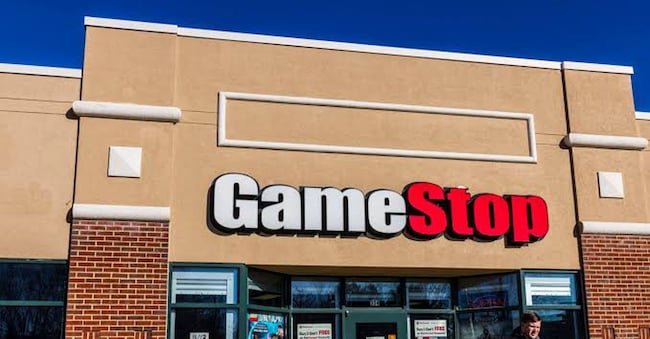
Five years on from the short squeeze that turned GameStop into the symbol of the meme stock craze, the American company now faces a very different challenge. Traditional retail continues to lose ground, but the group now has billions of dollars in capital, is expanding rapidly into collectables and has built up a significant stake in eBay. The question for shareholders is no longer simply whether GameStop can survive, but what sort of business model it might become.

This is the challenge facing the group led by Ryan Cohen: to build a new business model whilst traditional retail continues to lose ground.

Loading...

The results for the second quarter of the 2026 financial year paint a picture that remains mixed. On the one hand, total revenue has fallen significantly. On the other hand, some of the businesses on which GameStop is seeking to build its future are recording much stronger growth. Underlying all this is a significant amount of capital that has radically altered the company’s financial landscape.

Revenue down, collectables up sharply

GameStop ended the second quarter with revenue of $790.2 million, down 19 per cent from the $972.2 million recorded in the same period last year.

The figures confirm the challenges facing the traditional model. The physical sale of video games continues, in fact, to face the sector’s ongoing digitalisation, which has reduced the importance of physical media and changed consumer habits.

However, a very different trend emerges when looking at the overall figures.

The collectables segment generated $356.3 million in revenue, representing a 57 per cent year-on-year increase. It has now become a significant part of the business. The category includes, amongst other products, trading cards, Pokémon, memorabilia, action figures and other items linked to pop culture and the world of video games. This growth indicates that GameStop is gradually shifting its commercial focus towards a market in which physical products continue to play a central role and in which the collector community can represent a competitive advantage.

Profitability improves as the model changes

GameStop has continued to take steps to reduce its cost structure, which fell by 14 per cent compared with the previous year. The company is therefore seeking to streamline its operations whilst, at the same time, adjusting the composition of its revenue.

The guidance also points to an improvement in expectations. For the financial year ending 30 January 2027, GameStop now expects Adjusted EBITDA to exceed $650 million, compared with the previous guidance of over $600 million.

The upward revision, amounting to at least 50 million dollars, is a positive sign of the group’s ability to improve its operating profitability.

Loading...

The eBay variable

It is at this point that GameStop’s story diverges definitively from that of a typical retailer. The company has invested nearly $5 billion in eBay, building up a stake of close to 10 per cent of the share capital. This year, GameStop even attempted to acquire the whole of eBay, without success, and has subsequently retained a significant stake in the company. The combination of GameStop’s growing exposure to collectables and eBay’s e-commerce platform could, at least in theory, create opportunities for collaboration in the trading card and collectables market.

From retail wreck to a financially stronger company

To understand how GameStop ended up in this situation, we need to go back to 2020. At the time, the company appeared to be one of the most striking examples of the struggles facing traditional retail: a network of high-street shops heavily reliant on the sale of video games, just as the sector was shifting towards digital downloads and online distribution.

Against this backdrop, Ryan Cohen, an entrepreneur and founder of Chewy (a pet e-commerce company), began to build up a significant stake in GameStop, reaching close to 10 per cent of the share capital, and publicly criticised the management. His argument was that GameStop needed to radically change its approach, making greater use of digital channels and its direct relationship with consumers.

Then came 2021. The combination of very large short positions held by certain hedge funds and a surge in buying from retail investors – particularly via online communities such as Reddit and WallStreetBets – triggered one of the most spectacular short squeezes in recent market history.

The share price, which started at just a few dollars, rose to nearly $500 during the trading day.

But the significance of that period was not merely financial. Ryan Cohen gradually became a symbol for a section of retail investors. The GameStop saga evolved, in fact, from a simple story of corporate restructuring into a symbol of the conflict between retail investors and Wall Street.

Capital changes the nature of society

After 2021, GameStop capitalised on its high share prices to raise substantial amounts of capital. This is one of the most significant developments in the entire story. The company, which just a few years earlier had appeared vulnerable to the decline of its sector, found itself with billions of dollars at its disposal, as demonstrated by the latest development involving the eBay listing.

GameStop’s second lease of life has therefore begun. The market, however, is still waiting to see whether it will prove to be better than the first.

Copyright reserved ©
Loading...

Brand connect

Loading...

Newsletter

Notizie e approfondimenti sugli avvenimenti politici, economici e finanziari.

Iscriviti