The second life of the second hand: how second-hand becomes profit
With the market for 'preloved' garments and accessories growing steadily over the years, brands have now realised that managing it directly can generate revenue, even with the support of the digital passport

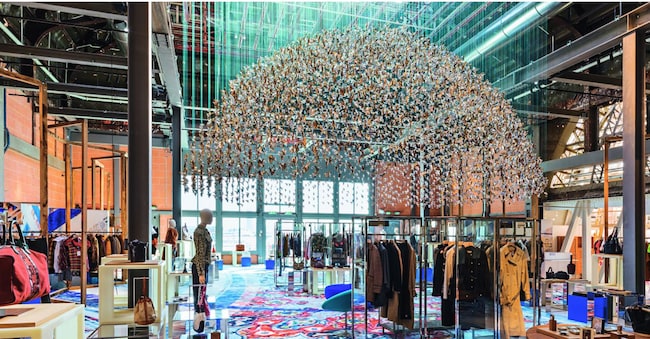
The last day of last year was also the last for most of the shops of Saks Off 5th, the chain dedicated to what the Americans call off-price (goods sold at huge discounts), but also to second hand fashion, opened by the US group in 1990. A choice imposed by the bankruptcy of the department store giant Saks Global, project born in 2024 from the merger between Saks and Neiman Marcus and closed with Chapter 11 in January, and certainly not from the second-hand crisis, which is instead one of the most relevant and influential phenomena of the fashion industry of the last decade: the global resale market will touch $360 billion by 2030, according to a study by Bcg and Vestiaire Collective (a platform specialising in the resale of luxury creations, launched in 2009), and will grow faster than the first-hand fashion market. The competitor Vinted - founded in Lithuania in 2008 and now present in more than 20 countries, with an ever-growing offer of luxury goods - announced that its 2025 revenues (to be unveiled in April) will probably exceed EUR 1 billion for the first time, up 40% from 2024.
The increasing focus on sustainability and reuse, the desire for uniqueness and refinement, the attractiveness of more affordable prices, especially after the huge post-Covid price increases, are factors that have prompted more and more people to enter this market.
Today, however, the second hand seems ready to live a second life itself, presenting itself as an opportunity not only for consumers, but also for brands, which can generate a new source of revenue with the resale. The re-commerce of creations from past collections, or garments collected by customers themselves in exchange for vouchers to buy new, is certainly a way to demonstrate one's commitment to sustainability, but also to obtain new revenue, as the recent Monitor for Circular Fashion by Sda Bocconi also pointed out.
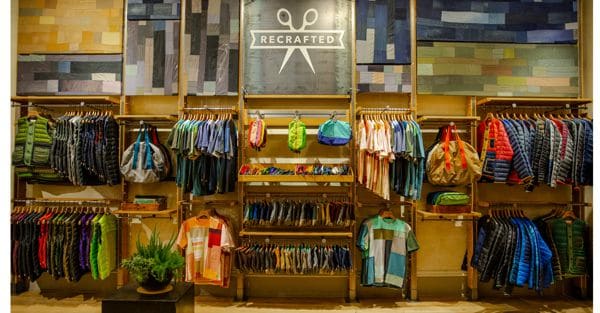
That the formula is a success is already demonstrated by many cases: the most famous is perhaps that of Patagonia, one of the most sustainable companies on the planet, which already in 2012 launched the Worn Wear programme, developed in dedicated shops and which in 2025 contributed 13 million to the company's total revenues of USD 1.47 billion. With the SecondHand selection, for the time being limited to US shops, Levi's offers customers the opportunity to hand in used garments for vouchers to spend on new ones, the same strategy adopted online by the Zalando and Farfetch platforms.
It seems a paradox, but compared to the luxury brands, the fast fashion brands are much more organised in the proposal and management of the second hand: the H&M group manages that of its brands through the Swedish platform Sellpy, and in 2024 (last available data) has doubled the revenues of the category, which are still minimal, since they represent 0.6% of the total. Zara, the first brand of the Inditex group, launched its pre-owned offer in 2022 and after making it available in Europe, given its success, extended it to the US in 2024.