
Security Decree, Mantovano: the funds for ad hoc measure on repatriations are there
After the final vote in the Chamber of Deputies, expected tomorrow, the Council of Ministers will meet immediately to pass a new decree to correct the rule on incentives for repatriation

Key points
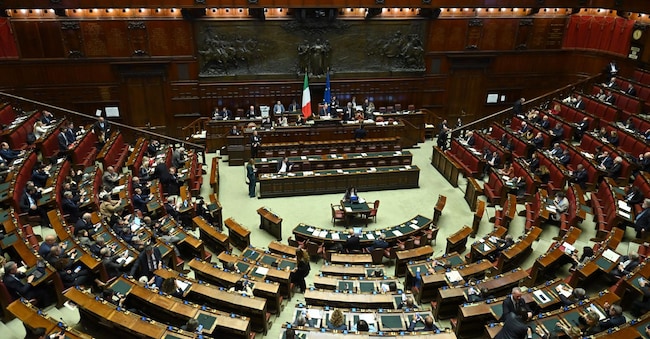
The security decree, which has been given the go-ahead by the Chamber of Deputies following the government's vote of confidence, is taking its final steps towards becoming law. After the final vote of the Chamber of Deputies, expected in the late morning tomorrow, the Council of Ministers will meet immediately in the Government Room of the Chamber. The meeting will in fact serve to launch a new decree to correct the rule on incentives for repatriations that ended up under the Quirinale's lens.
Mantovano: coverage for ad hoc decree is there
"It is not a rule on lawyers, it is a rule to help the migrant who has freely chosen the assisted return procedure. It is an aid to solve possible bureaucratic difficulties, a bit like those who file their tax return with the help of the Caf or any professional. So lawyers have nothing to do with it. The coverage is there. Tomorrow there will be the Council of Ministers'. So said Undersecretary Alfredo Mantovano on the sidelines of the Quirinale ceremony for the 70th anniversary of the Consulta, speaking of the security decree.
Port and sale of knives
Launched by the government on 5 February, the measure was signed by the President of the Republic 19 days later. The decree has 33 articles and includes measures to fight crime (especially juvenile crime or crime against minors involved in begging); harsher penalties for demonstrations and marches; regulations on the staffing and protection of the police force and others on immigration management. In detail, Article 1 intervenes in the fight against 'maranza' and introduces the prohibition of carrying and selling knives with the derogation - desired and added by the centre-right in the Senate - on the types of knives that can be carried around even without a valid reason.
Manifestations and occupations
Among the articles most contested by the centre-left is the crackdown on demonstrations and occupations: for the former, preventive detention for up to 12 hours is introduced, which is triggered to prevent a person, considered dangerous, from taking part in a demonstration. With regard to occupations of real estate, penalties of up to 7 years and up to 6 years are envisaged for those blocking roads and railways.
Penal Shield
Another novelty is the so-called 'criminal shield', which was initially envisaged for the police, and later extended to all those who, if they commit an offence with a cause for justification, are entered in a separate investigation register.

