
Seoul surpasses London. When imagination becomes capitalisation
by Angelo Argento
 Aggiungi Il Sole 24 Ore
ai preferiti su Google
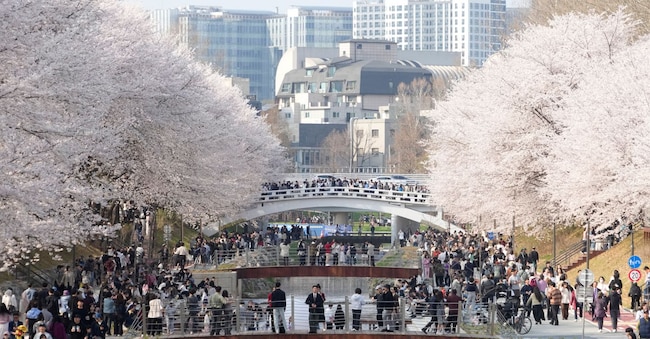
On 28 April, the KOSPI closed with a capitalisation of USD 4.1 trillion, bypassing the City of London at 3.990. Eighth largest financial centre in the world. A record that until a few years ago would have seemed like geopolitical science fiction.
Yet those who have closely followed the Korean trajectory over the past thirty years have not been surprised. The Seoul Stock Exchange's overtaking of London is not an isolated financial event. It is the numerical certification of a country project carried out with a consistency that the West continues to underestimate.
South Korea in the 1970s was still an East Asian periphery, scarred by war, the division of the peninsula, and a lower per capita income than many countries now classified as developing. Today it is one of the most dynamic and recognisable economies on the planet. Not because it has found oil. Not because it has exploited an exceptional geographic or demographic advantage. But because it has decided, with almost maniacal deliberation, to build international centrality on several fronts at once.
The KOSPI leap is driven by semiconductors, artificial intelligence, data centre energy, and the defence sector. All sectors in which Korea has invested with systemic logic, not with the empiricism of contingent opportunities. But to reduce the phenomenon to technology would be an analytical error. That market capitalisation is also the product of something less measurable and equally real: the global desirability of the Korean model.
K-pop is not just music. It is industrial cultural diplomacy, built with coordinated public and private investment, with art training academies, with an international distribution machine that has no equivalent in any other country of comparable size. Korean TV series are not just entertainment: they are national branding conveyed through global platforms. Parasite and Squid Game have changed the perception of Korea in the world more than any institutional campaign. Korean cosmetics have redefined aesthetic standards on a planetary scale. Even Seoul's urbanism, Seongsu cafes, monumental bookshops, and immersive museums have become scenes of desire that attract tourists, creatives, and investors. Markets price all this, even when they do not make it explicit in reports.

