
Separating careers to make justice more transparent
The reform is an act of responsibility towards the Constitution, the judiciary and the citizens in whose name justice is administered
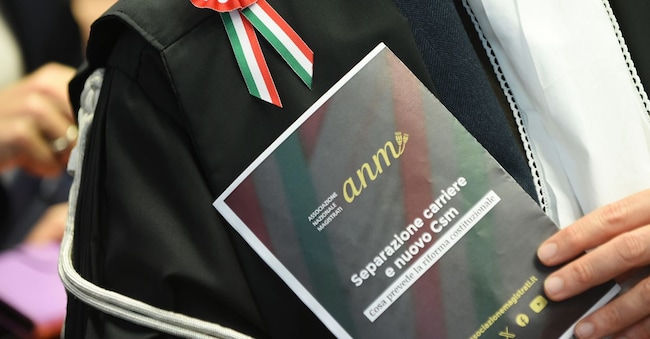
The debate on the reform of the judiciary is fuelling a misunderstanding that must be clarified once and for all: the separation of careers between judges and prosecutors is not an attack on the judiciary and does not jeopardise its independence. The reform makes the roles clearer, the responsibilities more legible and the functioning of the judiciary more transparent.
Let's face it: in the reality of everyday life and the current unitary career, prosecutors are also supposed to look for evidence to exonerate suspects. We all know that this rarely happens. And the gip should prevent unfounded trials brought by the prosecution, saving public resources and the long judicial ordeal of people and organisations dragged through to the third instance. But even this does not happen.
The accusatory process, introduced with the Vassalli reform, designed a model in which prosecution and defence confront each other on an equal footing before a third judge. The separation of careers is the natural step that fully implements its framework, consistent with the principle of due process, enshrined in Article 111 of the Constitution.
In a mature democracy, it is not enough for the judge to be impartial: he must also appear so in the eyes of the citizens. The clearer distinction between prosecutor and judge also meets this need, dispelling any possible suspicion of proximity between functions that must remain clearly distinct in the trial.
It is therefore misleading to claim that the reform would call into question the independence of the judiciary. Autonomy and independence from any other power are carved in stone in Article 104 of the Constitution and safeguarded by the guarantee function entrusted to the President of the Republic, who will preside over the two future High Councils of the Judiciary, judging and prosecuting.

