
Sex education, 90% of students call for it to be taught at school
Italy is among the few countries in Europe that still does not have any form of regulation for sex education programmes at school.

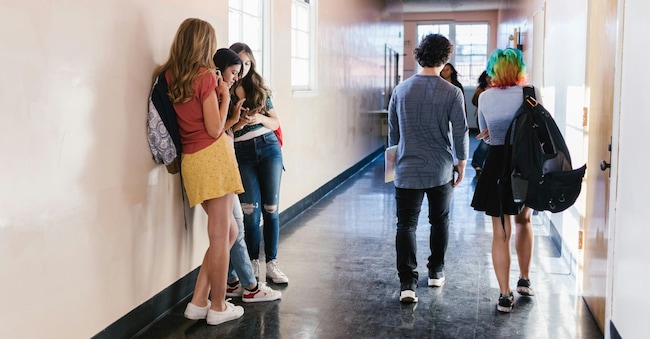
Italy is one of the few countries in Europe that does not yet provide any form of regulation for sex education programmes at school. The government is trying to intervene with new guidelines, but with the Valditara bill, teaching is in danger of becoming de facto optional. From civil society, on the other hand, comes the opposite request: more commitment and training on the part of educational institutions, not least to curb the increasingly unwieldy 'pedagogical' function of the web.
Since the Internet is already the digital natives' favourite source of information on these topics, a disengagement of schools risks leaving the Internet and pornographic sites as the only reference. "Talking about sexuality does not mean, as is sometimes feared, anticipating age-inappropriate experiences, but providing tools for conscious development to children, who will then become informed adolescents and young people," comments Maria Antonietta Gulino, president of the National Council of the Order of Psychologists.
Where are we
?Currently, education on sexuality and relationships is contained in the hours of Civic Education. However, the lack of defined ministerial programmes makes the activities uneven. The government is working on introducing the subject as compulsory. The measure is before parliament, which is discussing it and may amend it, but its progress is slowed down. The new legislative framework provides for a ban on teaching in kindergarten and primary schools and informed consent of families for first and second grade secondary schools.
The answers sought on the net
The affective sphere and the relationship with the body are of great importance in a person's development, especially in the transition from puberty to adolescence. This is why it is important 'to give correct indications, with scientific competence in the educational environment of reference', emphasises the president of the Cnop. The risk otherwise is that 'children, who have access to digital tools at an increasingly younger age, will fill the silences of adults on their own'. And on the net the answers are, yes, readily available but not always accurate. Sometimes even misleading or harmful, Gulino warns.
Students' needs
For their part, students and families firmly believe in the role of school as an antidote to discrimination. More than 90% of the under-26s believe that sex education is useful in limiting gender-based violence, according to the Terre des Hommes Observatory. Among parents, 91% would like to introduce the subject compulsorily (Coop-Nomisma data).
Brand connect


Newsletter Scuola+
La newsletter premium dedicata al mondo della scuola con approfondimenti normativi, analisi e guide operative
Abbonati