
Shein’s lacklustre debut in Hong Kong: first a slump, then a recovery
The Chinese company (which is now based in Singapore) has completed its IPO, raising approximately $1.7 billion

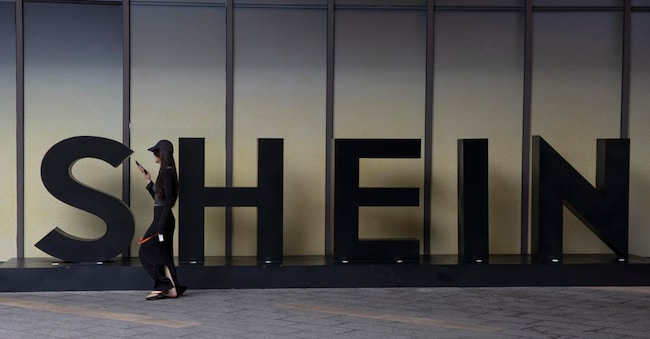
There had been talk of its IPO for years. And perhaps that is why it was so eagerly anticipated. The market’s reaction, however, was far from enthusiastic. We are talking about the Chinese fast-fashion giant, Shein, which ended its debut on the Hong Kong Stock Exchange almost at the same price as its opening, but only after recovering in the final stages of trading from a fall that, at the opening, had seemed like a clear rejection. The share price finished at 48.5 Hong Kong dollars, 0.1 per cent below the placement price of 48.56. In the early stages, it had fallen by as much as 10 per cent to HK$43.72, with sell orders three times as frequent as buy orders. For most of the day, the share price remained well below the closing level, only recovering in the final minutes.
Looking at the figures, the deal raised 13.6 billion Hong Kong dollars – equivalent to around 1.7 billion US dollars – and gave the group a market capitalisation of just over 26 billion. A figure that perhaps warrants further consideration. Because in 2022, at the height of the pandemic-driven e-commerce boom, Shein was valued at nearly 100 billion. But over the last four years, amid tariffs and new geostrategic scenarios, things have changed.
In any case, the company – which was founded in China and is now based in Singapore – is one of the world’s largest listed clothing groups, not far behind the Swedish firm Hennes & Mauritz, which is worth around 30 billion.
The listing announced in the last few hours comes at the end of a process that has lasted for years. Attempts to list in New York and then in London ran aground due to regulatory and political obstacles, leaving Hong Kong as the only viable market. Meanwhile, as mentioned, the landscape has changed, with new tariffs and tighter border controls. Not to mention competition that has become increasingly fierce, with PDD Group’s Temu and Alibaba’s AliExpress vying for the same customer base and price range.
However, the placement valued the company at more than 15 times its expected profits, according to calculations based on estimates by Bloomberg Intelligence.


