
Shipbuilding: production value of 2 billion for Genoa and Savona
More than 10,000 people are employed directly and indirectly. The figures are taken from the first report by the newly established Observatory on Business, Employment and Value in the Western Ligurian Sea

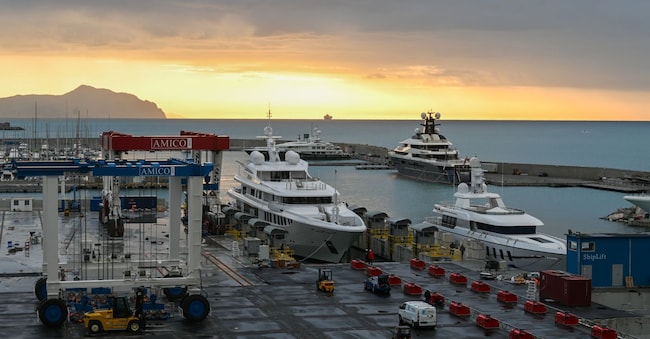
Around 2 billion euros in production value in 2024, over 500 million euros in added value and more than 10,000 direct and indirect jobs. These are the figures for shipbuilding and ship repair, as recorded in the first report by the ‘Business, Labour and Value’ Socio-Economic Observatory, established to monitor these three elements in the ports of the western Ligurian Sea. This tool, which will be a permanent feature designed to understand and observe, over time, the structure of the shipbuilding and nautical industry – tracking its transformations and, where necessary, guiding decisions to support its development – is the result of collaboration between the Western Ligurian Sea Port Authority, Confindustria Genova and the Savona Industrialists’ Union.
The study, as explained in a press release, “launches a process of ongoing data collection and analysis, focusing on shipbuilding and ship repair activities in the ports of Genoa and Savona – Vado Ligure: a key component of the Ligurian economy that contributes to Italy’s standing in the international shipbuilding sector, through manufacturing, services and specialist expertise’. The collaboration between the three parties, formalised through a memorandum of understanding, combines the information available from the Port Authority (Adsp) and economic sources with the expertise of industry associations and the direct involvement of companies. The first survey covered 87 companies, with 63 responses.
The report analyses four sectors: shipbuilding, ship repair, boat building and boat repair. In Genoa, the value of production stands at around 1.9 billion euros. In Savona, it exceeds 50 million, with boat building activities predominating. In both sectors, the value of production is up on 2021. The sector comprises large prime contractors and a network of specialist firms: over half of the respondents are small businesses. Supply and subcontracting relationships link port activities to a wider supply chain, which contributes to the execution of complex and diversified processes.
According to the report, this organisation ‘is reflected in employment figures: around 4,400 direct employees and 6,000 indirect employees, with over 60 professional specialisations recorded. Alongside carpenters, welders, electricians and mechanics, there are designers, technicians and project coordinators. The focus on the Genoa district highlights that the proportion of employment in shipbuilding and ship and boat repair is more than nine times higher than the national average’.
The study explains that the concentration of businesses and the presence of shared infrastructure – starting with dry docks – ‘facilitate the integration of production processes and the flow of skills’. At the same time, the report notes ‘high utilisation of the dry docks and additional potential demand that is constrained by the availability of space and the capacity of the facilities’. Furthermore, the interviews reveal ‘difficulty in recruiting qualified staff, particularly in technical and craft trades, alongside a growing demand for professionals capable of combining technical expertise with managerial skills’.


