
Manoeuvre, new tax on short-term rentals and Airbnb pops up
26% increase for the first rented house in the draft

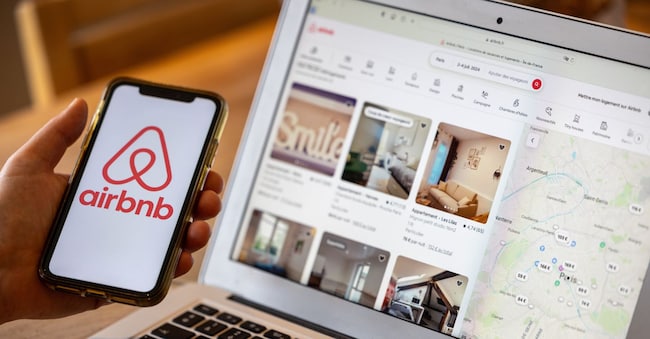
Un aggravio di 5 punti per i redditi derivati da tutte le locazioni brevi. Circa mezzo milione di case vacanze e bed and breakfast, dal primo gennaio del 2026, saranno colpite da un’extra tassazione molto importante, passando dal 21 al 26% di aliquota. Un carico aggiuntivo che, peraltro, scatterà in modo immediato, dal momento che il disegno di legge di Bilancio interviene anche, incrementandone il peso, sul sistema della ritenuta d’acconto operata dai grandi portali online. Un carico extra che, comunque, ha molte chance di saltare in Parlamento, stando alle prima voci che arrivano dalla maggioranza. Una soluzione di compromesso potrebbe essere quella di portare al 26 solo l’aliquota per le ritenute.
La stangata sugli affitti brevi, inserita all’articolo 7 del Ddl di Bilancio, torna a riscrivere una norma sulla quale il Governo Meloni era già intervenuto due manovre fa. Cancellando una parte dell’articolo 4 del Dl 50/2017, resta in vita solo il passaggio in base al quale «ai redditi derivanti dai contratti di locazione breve si applicano le disposizioni dell’articolo 3 del decreto legislativo 14 marzo 2011, n. 23, con l’aliquota del 26 per cento in caso di opzione per l’imposta sostitutiva nella forma della cedolare secca». Quindi, imposta al 26% in tutti i casi; salta l’eccezione, introdotta dall’esecutivo due anni fa, in base alla quale l’aliquota del 26% «è ridotta al 21 per cento per i redditi derivanti dai contratti di locazione breve relativi a una unità immobiliare individuata dal contribuente in sede di dichiarazione dei
In other words, today taxpayers can opt, within the declaration, for a discount on a rented property. For those (the vast majority) who rent only one property, the 21 per cent rate covers all income. For those who rent at least two properties, from the second one onwards, the rate is 26 per cent. From five properties onwards, on the other hand, the activity is exercised in an entrepreneurial form and does not qualify for the schedular regime. Once this safeguard is removed, the schedular rate will only be 26 per cent.
The properties involved
But how many properties fall under this squeeze? According to data from Aigab, the Italian association of short-term rental operators, there are currently 502,000 flats actually present online, on the various platforms. These are almost all flats with a single owner, who rents out his second home.
Doubts of Forza Italia and Lega
It remains to be seen whether this measure will make it through the parliamentary passage. Both Forza Italia and Lega Lega have expressed strong perplexity on the issue: 'The increase in the flat-rate tax on short-term rentals does not seem to me to be a good way to help domestic demand and private initiative,' said Deputy Prime Minister and Minister for Transport and Infrastructure, Matteo Salvini. Among the many voices, there is that of the president of the deputies, Paolo Barelli: 'Forza Italia is against the increase in the flat-rate tax on short-term rentals in the absence of a clear distinction between occasional use and entrepreneurial activity.


