
US Shutdown: what happens now
The federal shutdown opens a new phase of tension: Republicans firm on a 'clean' extension, Democrats determined to defend the Affordable Care Act and health care protections. With employment reports postponed and the labour market slowing, the Federal Reserve navigates in the dark

Key points
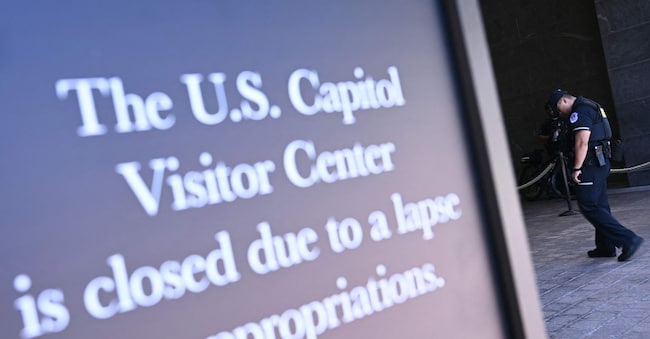
Two opposing stopgaps collapsed in the House and the US federal state came to a standstill. For the Republicans it is just tactics, for the Democrats a chance to hoist the health care flag. "It's time to fight", they repeat, turning the shutdown - the federal shutdown for lack of funds that began at midnight on 1 October - into a political battleground.
At the centre of the tug-of-war is the Dem demand to extend the subsidies of the Affordable Care Act - also known as Obamacare - that expire at the end of the year and reverse the cuts to Medicaid enacted in the summer. The Republicans offer a clean continuing resolution, the 'patch' that extends funding to the status quo, but without any concessions on the merits. In the votes at the turn of midnight, each camp drowned out the other's text: 55-45 against the G.O.P. plan (under the 60 votes needed to overcome the filibuster) and 47-53 against the Dem bill tying the reopening to health care measures. It is a repetition of a script: new votes, same outcomes and the Republican promise to repeat the scene every day.
From the White House, Vice-President JD Vance made it clear that the Republicans would be ready to negotiate the extension of healthcare subsidies "even immediately", but only after the end of the shutdown. In Congress, Speaker Mike Johnson evoked hundreds of thousands of immediate furloughs (the compulsory unpaid leave imposed on federal employees during the shutdown), while Senate whip John Thune accused the Democrats of seeking confrontation. Chuck Schumer retorted that the shutdown stemmed from the Republican refusal to protect health care and called threats of mass layoffs 'blackmail'.
The opposition is not standing idly by. After months of grassroots mobilisation over the cost of policies,the Dems embrace the shutdown as negotiating leverage. Leaders and activists speak of a last bastion against an executive that, in their words, 'uses the shutdown as a cudgel' and threatens mass layoffs in the public sector. The 'RIFs' (reduction in force) evoked by the White House are permanent staff cuts, far beyond the furloughs that are triggered during the shutdown. And this is where the Democrats say they want to fight: no furloughs without a clear corridor for lower premiums and essential protections.
On the ground, the first day has left a patchy landscape. The 'critical' services - defence, security, air traffic control and the Transportation Security Administration - continue, but with workers without pay. Airports have held up, but recent history warns that absenteeism and delays will increase if the shutdown is prolonged. At the Federal Aviation Administration, a quarter of the staff is in furlough. Translated: regulations, technical supervision and part of the security programmes are at a standstill.


