
Siae exceeds one billion in revenues: the turnaround between efficiencies and digital
More money to authors: declining commissions and quarterly payments. 849 million distributed in 2025 to members and commissions reduced to 13.7%

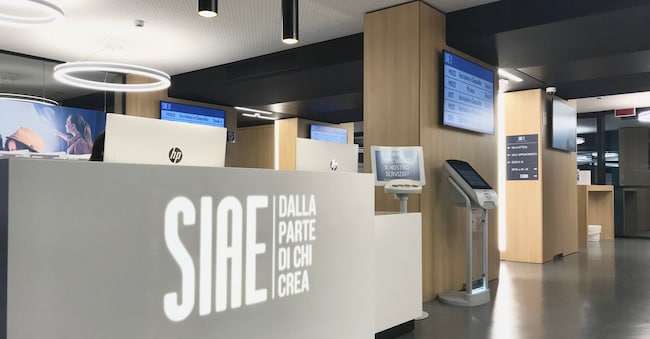
"The billion is not a symbolic goal, but the result of a profound transformation". This is how the General Manager of Siae, Matteo Fedeli, comments on the figure, which certainly marks a turning point for the company that deals with the protection and management of copyrights in Italia. In 2025, Siae collected 1.022 billion. Never before in the history of the company chaired by Salvatore Nastasi.
That number is growing steadily: from 792 million in 2022, to 883 in 2023 and 932 in 2024. 'We have worked,' Fedeli emphasises, 'on digital transformation, new skills and stronger negotiations with the big global players. This is proof that a collecting can innovate and grow without losing its mission'.
Behind the result is a three-year plan, the one launched in 2023, that has changed the organisation from the inside. "We have moved from a predominantly legal structure to a model in which data, technology and analysis capabilities are central," says Fedeli. "Today we have around fifty people dedicated to data and we have introduced new figures, such as artificial intelligence engineers."
The work, however, was not only technological. Governance played a decisive role. "President Salvatore Nastasi has been decisive, he has supported the transformation with determination," emphasises the CEO. "The board of directors accompanied difficult but necessary choices, from digitalisation to firmness in negotiations with the platforms. It was precisely on this terrain that one of the most delicate games was played. Collecting's revenues have also grown thanks to tighter negotiations with the web giants: from Meta to Spotify, from YouTube to TikTok, to Google and Netflix. "The real key was not just the economic value of the licences. It has been access to data. Without transparency on the uses of works, copyright cannot work'.
The result is also visible in the numbers that matter most to authors. In 2025, distributions to members reached around EUR 849 million, compared to EUR 740 million the year before. "Our priority is to transfer as much value as possible to creativity," insists Fedeli. "We have reduced average commissions from 16% in 2013 to 13.7% in 2025. In live for big events we are at 5%, while in digital we are down to 8%. It means more money in the pockets of authors and publishers'. Another change concerns the timing of payments: 'We have moved from half-yearly to quarterly distributions for music. January, April, July and October instead of January and July only. This is a historic change. It means moving liquidity from Siae's belly to the authors faster'.


