
Sicily: 1.8 billion for a grid that cannot cope with the surge in renewables
The E-Distribuzione plan is worth almost 80 per cent more than the previous one: medium and low-voltage networks under strain due to new installations, reverse power flows and summer blackouts

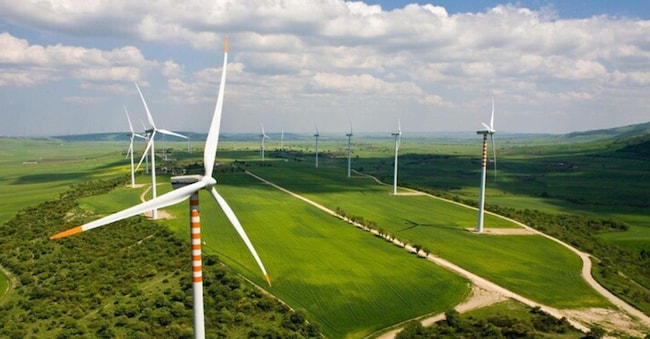
Sicily is racing ahead with renewables, but the grid responsible for collecting and distributing the energy is not yet keeping pace. This is where a crucial part of the island’s energy transition lies. E-Distribuzione is putting forward around €1.8 billion in investment for the three-year period 2026–2028, almost 80 per cent more than in the previous programme. This figure reflects the pressure on Sicily’s medium- and low-voltage grid.
The bottleneck, in fact, is no longer confined to the main grid. Terna is investing in high- and extra-high-voltage networks, backbones and interconnections, with a multi-year plan worth around 3.5 billion for Sicily. However, the energy generated by the new solar and wind farms must then be fed into and managed via the local grid: primary substations, medium-voltage lines, secondary substations and low-voltage networks.
The photograph published by E-Distribuzione itself highlights the problem. The map of critical areas, used to indicate the network’s capacity to connect new installations, shows that, at a regional level, virtually the whole of Sicily falls within the medium to high criticality range. Red, which identifies areas of high criticality, predominates in the Trapani, Agrigento, Caltanissetta and Enna areas and affects large parts of the Ragusa and Syracuse areas. Palermo, Messina and most of the Catania area, on the other hand, are predominantly orange, indicating medium criticality.
Behind those colours lies a phenomenon that is set to become increasingly common: the reversal of the energy flow. For decades, the grid was essentially designed to operate in one direction: electricity travelled from large power stations to substations and was distributed from there to homes and businesses. With the spread of solar and wind power, the opposite occurs at certain times of day. If an area produces more energy than it consumes, the surplus electricity flows back from the local grid to the main substation and then onto the national grid.
Reversal is not in itself an anomaly, but when it becomes frequent, it places strain on an infrastructure designed for different operating conditions. Transformers, power lines and protection systems must manage bidirectional flows and levels of energy that were often not anticipated when the grid was designed. Hence the need for new substations, more robust power lines, more powerful transformers and digital control systems.

