
Sicily accelerates on waste-to-energy plants in Palermo and Catania
The final plans for the plants have been presented. The administration estimates that the new waste management will bring savings of 100 million per year

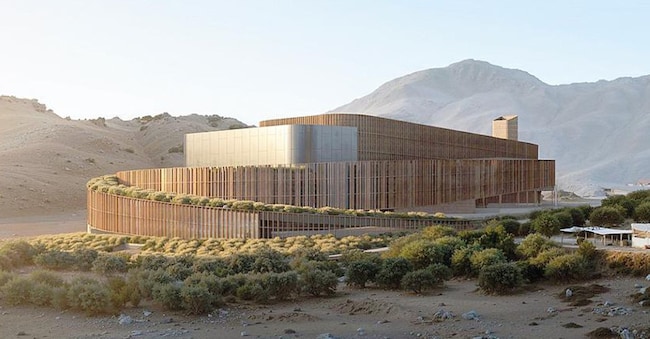
Sicily is trying to speed up on waste-to-energy plants in order to close the era of the waste emergency once and for all. At least this is the declared objective of the Region, which is focusing on the two plants in Palermo and Catania to overcome the landfills, reduce transfers out of the island and lower the costs weighing on municipalities and families. The final plans for the two plants, considered by the regional government as the decisive step to complete the new waste cycle, were presented at Palazzo d'Orléans.
"Today we cross the finish line of a strategic stage in the process of building two waste-to-energy plants that will mark a historic turning point in waste management in Sicily," said President Renato Schifani. The timetable foresees the awarding of the works in spring 2027 and the inauguration by 2028, after the European Commission's green light for the waste plan, Invitalia's support, and Anac's control.
The issue is not only environmental, but also economic. Today, some Sicilian waste is sent to the north or abroad, with journeys of over a thousand kilometres and costs of around 380 euro per tonne. The region estimates that closing the cycle on the island could generate savings of around 100 million euros a year. "The final outcome we are aiming for is to achieve a reduction in the Tari (city tax), thus a direct benefit for citizens who, in addition to having cleaner cities, will also save money," Schifani added, claiming "a point of no return".
The two plants will have a total treatment capacity of 600,000 tonnes per year. They will have to receive only the non-recyclable fraction, i.e. what remains after differentiation, selection and material recovery. The total cost of the two waste-to-energy plants is 881 million euro on the auction basis, financed with Fsc resources. Together they will produce 469.6 gigawatt hours per year, equal to the needs of 174 thousand Sicilian families. Ten per cent of the energy will be used to power the plants, while the remaining 90 per cent will be fed into the grid, with revenues earmarked to lower the municipalities' feed-in tariffs.
The waste-to-energy plants are the final piece of a broader plan that includes sorting plants, platforms for differentiated waste, biodigesters and extensions of existing landfills. The objective is to bring Sicily to 65% material recovery and to reduce landfilling to 10%. Quantities destined for landfills should decrease from 748,000 tonnes in 2027 to 500,000 in 2028, to 140,000 in 2030.


