Regions

Sicily, 1.3 billion budget package: new funds for investment and businesses

209 million for Super Zes, 50 million for cereal farming and four million for artificial intelligence in businesses. Aid to tackle high diesel prices for farmers, hauliers, tourist coaches, taxis and private hire vehicles

3' min read

Translated by AI
Versione italiana

3' min read

Translated by AI
Versione italiana

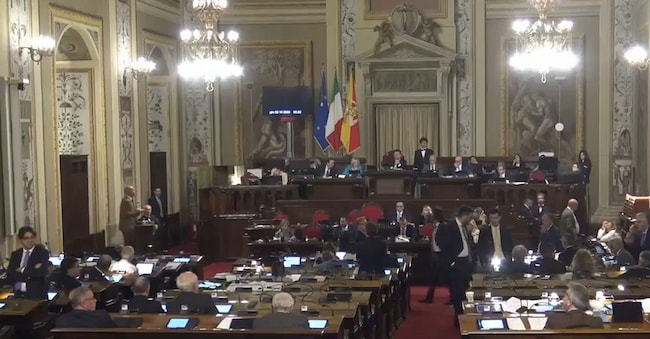
Funding of 209.2 million to cover the ZES tax credit for 2025, 50 million for cereal farming, 4 million for artificial intelligence in businesses, and new support to tackle high diesel prices. These are the main measures for the productive sector contained in the supplementary budget approved by the Sicilian Regional Assembly after more than twenty-one hours of deliberations.

Zes: the remaining 25 per cent has been funded

The regional allocation funds 25 per cent of the requested subsidy that remained unfunded following central government allocations, ensuring that beneficiaries receive the full amount due. The 2,353 applications submitted by businesses relate to investments already made totalling over one billion 625 million euros, allocated to plant, machinery, equipment and property.

Loading...

The total tax credit requested amounts to 836.8 million: central government funds cover approximately 627.6 million of this, equivalent to 75 per cent. The remaining 209.2 million will be funded through regional contributions. The measure will also help to speed up the process of payments by the Revenue Agency.

“The improvement in our finances enables us to support businesses and employment using our own resources,” said President Renato Schifani. ‘Ahead of other regions, we have chosen to fund the remaining portion of the tax credit, ensuring the maximum benefit for those who have invested in Sicily. This is a commitment we are upholding towards our business sector, so that entrepreneurs can plan new initiatives and new recruitments whilst relying on the support of the institutions.’

“We welcome with great satisfaction the approval of the measure in support of the Super ZES. This is an issue we have been working on diligently over recent months, and we are convinced it will help the Sicilian economy in many ways, starting with attracting investment. The business community would like to thank President Schifani and the Councillor for the Economy, Mr Dagnino: we have added another piece to our Florio Plan,” said Luigi Rizzolo, president of Sicindustria.

According to the government, the use of regional funds also makes it possible to free up resources from outside the region that had initially been earmarked, so that they can be reallocated to other investments.

High diesel prices, agriculture and fisheries

To tackle high fuel prices, a further fifteen million is being provided to hauliers, bringing the total support for 2026 to thirty million. A further fifteen million is earmarked for tourist coach transport, taxis and private hire vehicles. An additional twenty million is set aside for agricultural diesel, on top of the ten million already allocated, according to the final summary of the budget.

Fifty million has been allocated to the cereal sector – compared with the twenty initially planned – to support farms struggling under the strain of rising costs and low revenues. According to regional councillor Ignazio Abbate, the grants will be proportionate to the area under cultivation: across approximately 239,000 hectares, the allocation amounts to roughly 210 euros per hectare.

For the fisheries sector, the Solidarity Fund is being increased by nine million, bringing the total funding provided for under the approved article to eleven million. The total package of measures for the sector amounts to sixteen million.

Four million for artificial intelligence

On the innovation front, four million is being allocated to non-repayable grants for businesses that introduce artificial intelligence into their production processes. One million is being allocated to professional practices in Niscemi damaged by the landslide. Amendments to the incentives for permanent recruitment and for recruitment linked to new investments have also been approved, following limited uptake initially.

Loading...

“Alongside measures to encourage investment and support business competitiveness, we have chosen to implement a number of initiatives aimed at mitigating the effects of rising production costs, facilitating access to credit and strengthening social and territorial cohesion,” emphasises Councillor Alessandro Dagnino.

Clash over the FIT: opposition MPs walk out of the Chamber

The conclusion of the proceedings was marked by a clash over the FIT, the Fund for Local Development included in the omnibus amendment tabled at dawn: 174.307 million, of which 146.405 million is allocated to local councils and 27.902 million to ecclesiastical bodies. For the majority, these are resources for public works and local areas; the opposition denounce them as ‘handouts’ distributed according to MPs’ requests for their own constituencies.

“We have given this majority – which is currently held together solely by the promise of the FITs – food for thought,” says PD group leader Michele Catanzaro.

“You will be remembered as the government of handouts, bribes and missed opportunities,” said M5S group leader Antonio De Luca. The PD, M5S and Controcorrente walked out of the Chamber before the final vote: the motion was passed at 9.22 am with 37 in favour, none against and three abstentions. According to Alfio Mannino, regional secretary of the CGIL, ‘With these budget amendments, we’ve hit rock bottom. Resources have been allocated with a clear focus on patronage.”

Copyright reserved ©
Loading...

Brand connect

Loading...

Newsletter

Notizie e approfondimenti sugli avvenimenti politici, economici e finanziari.

Iscriviti