
Universal Child Benefit: the monthly payment is increasing – here’s why
The average bonus is rising from 170 to 175 euros a month due to inflation. Owing to the falling birth rate, there will be 100,000 fewer benefit payments in the first six months of 2026

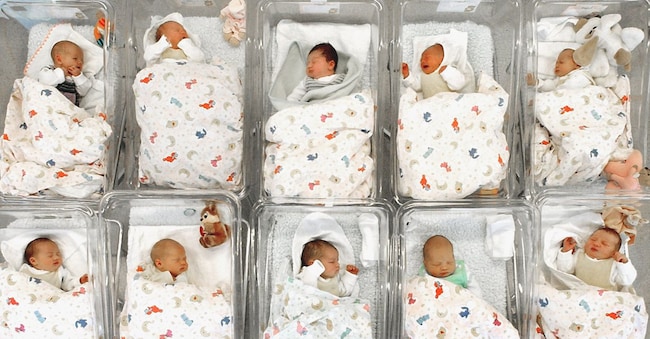
The falling birth rate is also beginning to have an impact on the figures for the universal child allowance paid monthly to families with children aged 0 to 21 – that is, the main form of financial support for families with dependent children. The latest INPS report, which provides a snapshot of the situation in the first half of 2026, shows that 100,000 fewer children are receiving the allowance compared with the first six months of 2025: last year, 9.7 million children benefited from it, whilst this year the figure has fallen to 9.6 million. In other words, the net difference between 21-year-olds leaving the scheme and newborns joining it is a deficit of 100,000. However, driven by inflation , the monthly allowance received by each child is also increasing.
As the number of children falls, so too, of course, does the number of households eligible for the bonus. Whilst there were 6,143,240 such households in 2025, this figure has fallen to 6,095,716 this year.
And the 100,000 fewer children eligible for the child benefit do not even provide any relief for the state’s coffers. This is because, according to INPS figures, in the first six months of this year the cost of the child benefit rose by 100 million compared with the same period in 2025. Last year, 9.8 billion euros were paid out, compared with 9.9 billion this year. How is it possible that the number of children is falling whilst the cost of the child benefit is rising? Inflation is to blame. The benefit is, in fact, adjusted annually in line with the cost of living. And in times of soaring prices, the child benefit also increases.
The average amount per child in June 2025, including any applicable supplements, stood at €170, ranging from around €57 for those who do not submit an ISEE or exceed the maximum threshold to €224 for the lowest ISEE bracket.
In June 2026, however, the average amount per child, including any applicable supplements, stands at €175, ranging from around €58 for those who do not submit an ISEE or exceed the maximum threshold to €227 for the lowest ISEE bracket. These supplements are granted on the basis of specific characteristics of the household, such as the presence of children with disabilities, the size of the family, the young age of the mother and, in the case of minor children, the presence of both parents in paid employment.


