
Single EU guidelines: report to von der Leyen today

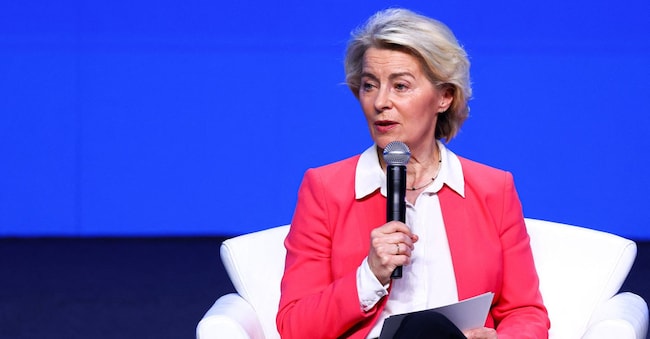
The report by the panel of experts tasked with helping to develop a European approach to ensuring the safety of children online is due to be presented today, Monday 13 July, to the President of the European Commission, Ursula von der Leyen. The Commission will then examine the recommendations and set out the next steps. Announced in the 2025 State of the Union address, the expert group – which comprises professionals from a wide range of sectors, including neuroscience and children’s rights – met for the first time on 5 March 2026. At that meeting, the risks and benefits arising from children’s use of social media and other online activities, such as messaging apps and AI, were examined. The discussion focused on a number of issues, including addictive algorithms and digital literacy.
On 15 April, the EU’s latest app for online age verification was unveiled; it does not require users to share personal information, thanks to the ‘zero-knowledge’ method. The following day, 16 April, during the second meeting, experts discussed EU regulations and initiatives to protect children online, as well as approaches adopted elsewhere, such as the ban on social media use for under-16s in Australia. The third round-table discussion, on 16 June, was prompted by the publication, on the same day, of a new Eurobarometer survey confirming the significant impact on young people’s mental and physical health caused by social media and excessive screen time.
In fact, almost one in three teenagers reports feeling stressed, sad or socially excluded because of social media, whilst 45 per cent of the sample say they compare themselves with others whilst using these platforms. Finally, around a quarter of teenagers say they have encountered problematic content online, including hate speech. The Eurobarometer survey also highlights the correlation between the age at which teenagers first started using social media and the total time spent in front of screens: at the weekend, this figure stands at more than seven hours for those who started using these platforms before the age of 10, whilst for those who started after the age of 14, it is just under six hours. The Eurobarometer on the digital decade, a survey conducted between February and March 2026, shows in this regard that for 92 per cent of Europeans, strengthening the protection of children and young people online is an absolute political priority.
Meanwhile, the debate is intensifying: in early July, the European Commission ruled that the French bill banning children under the age of 15 from accessing social media was not fully compatible with European law, in an opinion that will require Parliament to review the bill. The European Commission considered that this draft legislation, if implemented in its current form, would conflict with the provisions of the European Digital Services Act. In April, Greek Prime Minister Kyriakos Mitsotakis announced his intention to ban children under the age of 15 from using social media from 1 January 2027. The proposal is expected to become law by 2026 and would apply to platforms such as Facebook, Instagram and TikTok. In the UK, from spring 2027, children under the age of 16 will no longer be able to access social media, and certain features deemed particularly risky for minors – such as live streaming or the ability to be contacted by strangers – will be restricted: this was announced on 15 June, shortly before he resigned, by Prime Minister Keir Starmer.

