
Sixth-generation fighter jet: the joint project between Germany, France and Spain is coming to an end. Uncertain times for the GCAP
Marrone (IAI) on the suspension of the Future Combat Air System: ‘The intention to cooperate on drones and the fighter jet’s cloud system amounts to nothing. If, as seems likely, London honours its commitments despite internal political difficulties, the GCAP becomes more attractive to potential partners such as Canada and Germany’

Key points
- ... and the uncertainties surrounding the GCAP involving Italia, the UK and Japan
- UK Defence Secretary resigns: ‘insufficient resources for the armed forces’
After years of preparation, the FCAS project, the programme involving France, Germany and Spain for sixth-generation fighter jets, has come to an end. According to German government sources, in fact, the German Chancellor Friedrich Merz (CDU) and French President Emmanuel Macron have concluded that the companies Dassault and Airbus are unable to reach an agreement on the construction of a joint fighter aircraft. On Friday, the two leaders attended the EU-Balkans summit in Montenegro. This provided an opportunity to take stock of the situation, which is now definitive. Macron and Merz agreed that the countries involved in the project known as the Future Combat Air System (or SCAF, ‘Système de combat aérien du futur’) will continue to develop a drone system and a related data network.
In reality, the fact that the project was on the brink of collapse is hardly news. For months, the FCAS had been in astandoff, due to unresolved industrial disputes between Airbus Defence and Dassault. These tensions have prevented the programme from moving on to the next phase of development. The programme has remained stuck in the technology demonstration phase.
The Failure of the Future Combat Air System
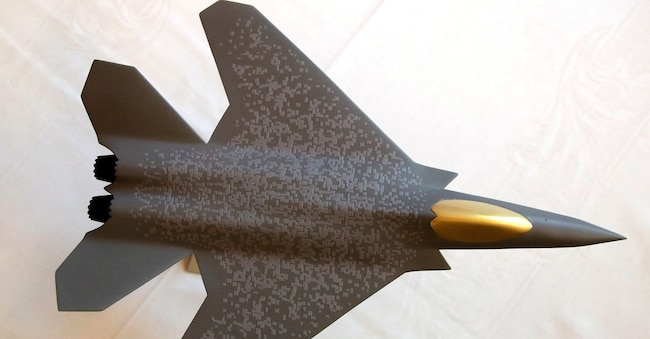
Launched in 2017 by Emmanuel Macron and Angela Merkel to strengthen European defence, with an estimated cost of around one hundred billion euros, the project saw Spain join the team in 2019. It then stalled on several occasions due to disputes over planning and design between the French manufacturer Dassault and the Airbus Group, which represents German and Spanish interests. Having previously been unofficial, the definitive halt is now ‘official’. Had it been built, the FCAS would have been a ‘system of systems’ in which a piloted fighter jet would have operated under the cover of swarms of drones and a combat cloud.
... and the uncertainties surrounding the GCAP involving Italia, the UK and Japan
As one European project on sixth-generation fighter jets comes to an end, another is getting underway days of uncertainty. This is the case with the GCAP (Global Combat Air Programme), the programme involving the UK, Italia and Japan. It is being developed by the Edgewing joint venture between BAE Systems, Leonardo and Japan Aircraft Industrial Enhancement Co. Ltd. On 30 June, the £686 million bridge contract awarded in April by the GCAP Agency to Edgewing, the industrial joint venture created to lead the aircraft’s design and development, will expire. This bridge contract funds key design and engineering activities.
By that date, the UK Ministry of Defence must approve the Defence Investment Plan, a spending plan that authorises multi-year funding for the GCAP. BAE Systems has warned that if the DIP is not given the green light by the end of the month, more than 4,000 engineers and technicians — including around 3,000 Italians at Leonardo’s sites in Turin, Rome and other locations — risk being reassigned to other programmes. According to sources close to the matter, the UK’s approval of the plan will ultimately arrive in time.


