
Sixth-generation fighter jets: the first contract for flight sensors has been awarded
Edgewing, the joint venture between BAE Systems, Leonardo and Japan Aircraft Industrial Enhancement Co. Ltd., has awarded its first contract to G2E (GCAP Electronics Evolution), the consortium specialising in sensor and communications solutions for the aircraft

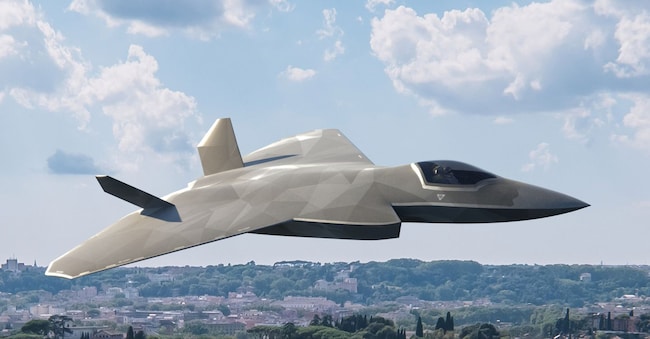
Another step towards the sixth-generation fighter. Edgewing, the joint venture between BAE Systems, Leonardo and Japan Aircraft Industrial Enhancement Co. Ltd., has awarded its first contract to G2E (GCAP Electronics Evolution), the consortium responsible for the aircraft’s sensor and communications solutions.
The consortium
G2E brings together the leading players in the sector from the partner countries: Mitsubishi Electric for Japan, Leonardo UK for the United Kingdom and, for Italia, Leonardo together with the ELT Group. Edgewing, meanwhile, is responsible for the design and development of the sixth-generation GCAP fighter.
Contract duration: 18 months
The contract, which is valid for 18 months, aims to develop the Integrated Sensing and Non-Kinetic Effects & Integrated Communications Systems (ISANKE & ICS). Specifically, this refers to the next-generation sensor and communications suite that will be one of the defining features of the sixth-generation fighter. There will be a shift from the traditional model, based on individual sensors dedicated to air combat, towards a distributed capability for sensing, information fusion, self-protection and electronic attack.
The ICS component will enable the sensors to operate in a network with both manned and unmanned platforms, as part of a wider multi-domain system of systems.
The ISANKE and ICS systems
The Gcap aircraft was designed from the outset to incorporate the ISANKE and ICS systems, which will merge and integrate vast amounts of data to provide pilots with the situational awareness they need to succeed in the congested airspace of the 21st century.

