
SK Hynix and Intel could produce memory chips in the United States
A move that would be welcomed by the White House. The factories in Ohio are at stake

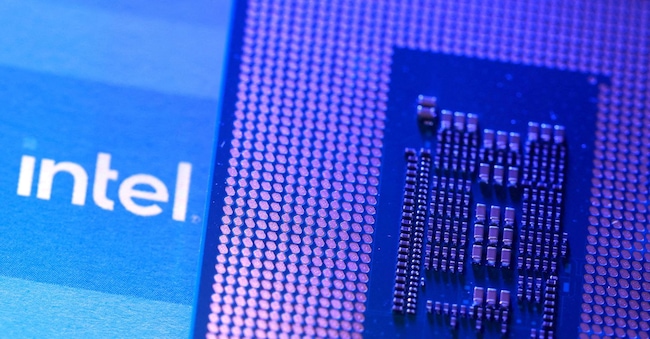
Bringing chip production back to the United States. This has been Donald Trump’s stated aim ever since his election campaign, which subsequently saw him return to the White House for a second term. The South Korean firm SK Hynix is moving in this direction, and has not ruled out producing memory chips in the US alongside Intel. The South Korean group, which, alongside Samsung, has been experiencing a period of significant expansion, has issued a statement confirming a rumour that emerged in the last few hours. And although the deal has not yet been finalised, discussions are ongoing.
The deal would work something like this: SK Hynix could either acquire a stake in the factory that Intel is building in Ohio, or set up a joint venture with Intel and a number of major cloud service providers, who are keen to secure a stable supply of memory. In any case, this would mark SK Hynix’s first memory production on American soil.
In its official statement, the company clarified that nothing has been finalised: ‘We are exploring various options to strengthen our global competitiveness, but at present there are no specific plans or agreements in place,’ it said. Intel, meanwhile, has not commented on the rumour. Certainly, the move would be fully in line with the position of the Secretary of Commerce, Howard Lutnick, who has called on SK Hynix and other Asian manufacturers to increase memory production in the United States to help resolve the global shortage.
The markets reacted with some enthusiasm. Intel shares rose by as much as 6.4 per cent, whilst SK Hynix shares listed in the US climbed by up to 3.3 per cent.
It is worth noting that the Ohio site has for years been a symbol of Intel’s difficulties. The project dates back to 2022, when the company had promised up to 100 billion dollars for a major manufacturing hub. Today, the two planned plants are not expected to be completed before 2030–2031. For this reason, renting space or partnering with another company would now allow the Santa Clara-based giant to make an investment that has long been on hold – and which has raised considerable doubts amongst analysts – economically viable.


