
Skills and integration to reignite Italia's demographic engine

After years of debating immigration in our country (whether it was necessary, how much and how), we have now arrived at a point: Italia does not suffer from an excess of migrant presence; it suffers from a lack of valorisation of human capital.
This is clarified by the 'Report on the state of integration of immigrants' produced by the OECD with the support of the Ministry of Labour and Social Policies presented a few days ago in Rome. Let us start from a structural datum: nine out of ten foreigners in Italy are between 15 and 64 years old against just 60% of the population born in Italy. Arithmetically, this means that, without immigration, it is impossible to maintain the country's demographic and productive resilience.
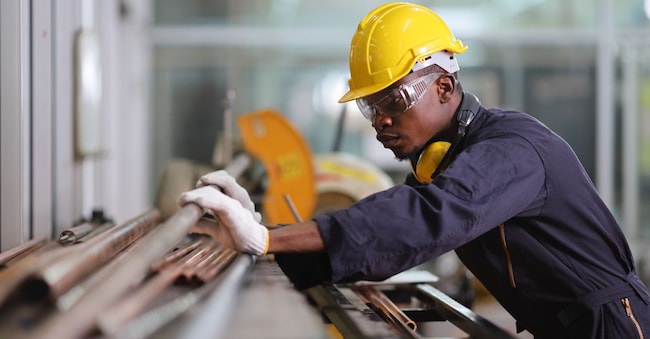
Yet, labour integration remains incomplete and distorted. The employment rate of foreigners in Italia is relatively high (65% for those born in the EU, 63% for those born outside the EU) but more than a quarter work in unskilled occupations; the share exceeds 29% among non-EU nationals and reaches 41% in the South, against the European average of 20%.
This means that there is a structural concentration of immigrants in the less qualified segments of the labour market but also, more seriously, that we are wasting skills. Many of the foreign workers already in the country have higher qualifications and skills than the job they do. The problem is therefore twofold: attracting talent from abroad and enhancing the talent we already have.
This evidence matches another figure: only 30% of immigrants who have been resident in Italy for less than ten years have participated in a language course after arrival. In Germany and Austria the quota exceeds 70%. This may sound like a mere technical detail, but it is the heart of the problem: the Italian law on safety at work (Legislative Decree 81/08) requires that compulsory training be comprehensible to the worker. In the absence of structured language courses prior to entry, this requirement becomes an operational obstacle for companies and the workers themselves. While in other European contexts structured training corridors have already been set up in the country of origin, in Italia intervention on the subject is still very weak, being limited to the FORMATEMP language courses activated prior to departure.

