
Small centres dominate on security

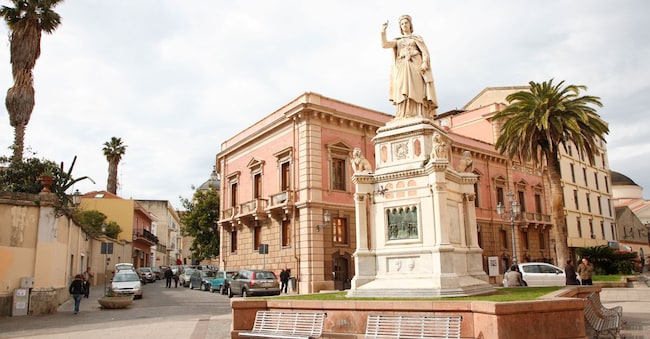
After a less-than-stellar placing in 2024, Oristano returns to take the top spot on the 'justice and security' front. An affirmation that is also due to the introduction of three parameters that see it on the top step of the respective podiums: less damage, fewer house burglaries (always in relation to the population, of course) and a decidedly modest perception of insecurity.
Aside from the 'new entry' indicators, the province of western Sardinia is also first for the lower incidence of crime-related factors and, in particular, for the few robberies occurring 'on the public street'. There are also negative results, focused almost exclusively on the slowness of justice, but in general Oristano places nine times out of 15 in the various top ten.
For the rest, the entries taken into account and the different weight that certain episodes can have from one year to the next in territories with a small population size have led to a strong rotation. Both at the top and at the bottom of the overall ranking, however, the basic characteristics have not changed.
Tranquillity' is the prerogative of small and medium-sized provinces, with no great distinctions between geographical areas, as the podium also shows, with Sondrio and Agrigento behind leader Oristano. On the other hand, the very critical situation of metropolitan cities is confirmed. Florence and Milan remain last and penultimate. Rome is 104th and thus fourth last, Bologna 102nd, Turin 101st, Naples 99th, Genoa 98th. If the results of the metropolises are influenced by the high passage of visitors and city users, the third-last place of Venice and the 100th place of the province of Rimini are mainly explained by the strong tourist presence.
Among the regional capitals, only Trieste comes out on top in one of the indicators: it is the one - introduced this year - of tax collection capacity, with a share of 87.1 per cent. For justice-related aspects, the lowest percentage of multi-year pending cases is recorded in Savona, while Foggia leads in the case rotation index, with five southerners in the top five places.

