
Snow tourism: costs rise (+5.8%), industry revenues exceed 12 billion
Jfc estimates: ski passes 4.1 per cent more expensive, hotel rates rising between 6.3 and 9.7 per cent
by Enrico Netti
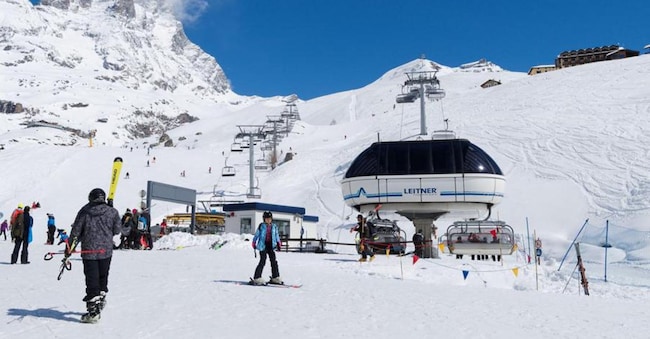
It promises to be a record skiing season thanks to an increase in the number of foreign visitors, which will compensate for the lower number of Italian fans. In the 2025/2026 season, turnover will exceed 12.1 billion, a 3.6% increase compared to the previous season. The hospitality sector will have a turnover of 5.9 billion, sports services, equipment rental and ski passes another 4.78 billion, and catering, trade and entertainment just over 1.4 billion.
«Sarà una stagione positiva ma non euforica - commenta Massimo Feruzzi, ad di Jfc, società di marketing turistico e responsabile dell’Osservatorio italiano del turisto montano -. Le presenze aumenteranno del 3,8% grazie al forte incremento degli ospiti stranieri (tra +8% e +8,8%, ndr) che compenserà la riduzione delle presenze italiane (-3,9%) e il consistente calo dei giornalieri (-14,5%)». È l’inevitabile effetto degli aumenti di quest’anno segnano un +5,8%. «I rincari maggiori riguardano gli hotel con un +6,3% per le settimane bianche e il 9,7% per week end e l’alta stagione - continua Feruzzi -. Le scuole di sci aumentano le tariffe del +4,9%, il costo degli skipass cresce a livello nazionale del 4,1% ed i servizi di bar e ristorazione hanno un +5,5%». Per il classico week end il costo per persona supera di poco i 620 euro che diventano per una famiglia quasi 1.800 euro mentre la spesa per la settimana bianca è di quasi 1.550 euro per persona e di circa 4mila per la famiglia. Conti salati
Despite this, there are 4.3 million Italians (+2.6%) with skis and snowboards ready to tackle the slopes, but not during the high season, when ski pass and hotel prices are at their highest. For the weeks of Christmas, New Year and Carnival, the classic full house is expected, but not sold out. So there are those who play the card of advance bookings: "39% of those who have decided to take a holiday in the mountains have already booked," emphasises the Observatory manager. The trend seen last summer is also confirmed in the mountains: to respect the budget available, the days of stay are reduced.
Perhaps there will be fewer Italians at altitude, compensated by the growing wave of arrivals from abroad. A clientele that does not have any particular budget problems and almost always chooses the skiing week formula with the certainty of the all-inclusive price. Operators expect a strong growth in arrivals from Poland, the United Kingdom and the Czech Republic. Customers who contribute to the positive balance of the season.
L’Osservatorio evidenzia la classifica delle destinazioni bianche più amate. Al primo posto si conferma Cortina d’Ampezzo, che primeggia anche nelle categorie «Località più famosa» e «Località più trendy», inseguita a brevissima distanza da Madonna di Campiglio che si afferma come la «Località con le migliori piste», «Località family» e «Località con più servizi». Livigno è la più “green”, Moena la più “accessibile” e Courmayeur la preferita per l’accoglienza alberghiera. Per quanto riguarda i comprensori al primo posto ecco la Ski area di Madonna di Campiglio che vince la categoria «Migliori impianti di risalita». L’Alta Badia si distingue per la «Migliore sicurezza» mentre la Val di Fassa ottiene il riconoscimento per il «Miglior rapporto qualità-prezzo». Da sottolineare anche la vittoria della Val Gardena per le «Migliori piste» e del Cervino Ski Paradise per la località con la migliore «Garanzia di innevamento».

