How the School of Design in Milan reverses the brain drain
The university is a pole of attraction from abroad: one in three students at master's degree courses is foreign. New path for designing hi-tech platforms launched

5' min read
Key points
5' min read
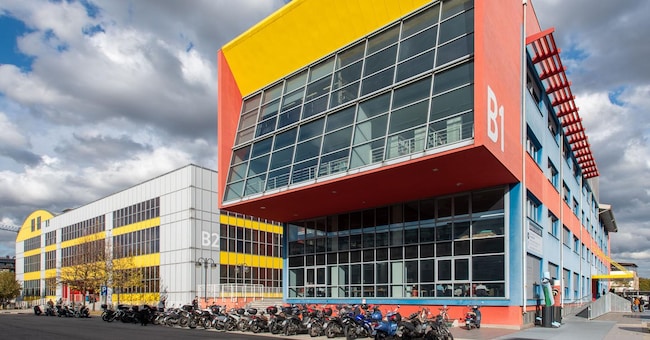
One in three. Of the 1500 young people enrolled in theSchool of Design of the Milan Polytechnic, almost 35% come from abroad. France or Germany, or China and Iran or even Spain, Portugal and South America feed a continuous flow of young people aiming to enrol in the Master's degrees offered in English, which are taken by storm with an overall demand that on average exceeds the available places by 5-6 times.
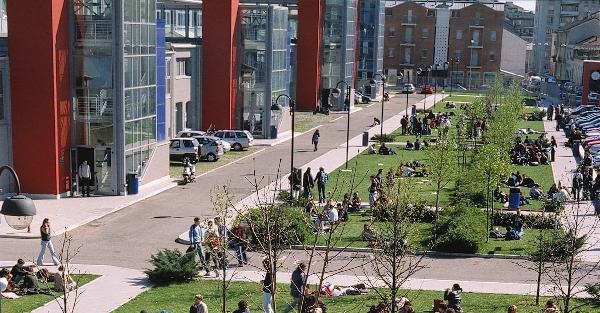
While our country's problem is historically the brain drain, here on the north-western outskirts of the metropolis, in the Bovisa district, exactly the opposite happens. "We have numerous student exchange relationships with other universities around the world," explains the dean Francesco Zurlo, "but we have a structural problem of a gap between supply and demand: while we have plenty of requests from abroad to come and study here, our students do not want to leave this city.
It is hard to blame them. First and foremost, taking into account the international ranking of the School of Design of the Milan Polytechnic, which for years has been in the world's top ten in this category and was able to gain one position in the latest ranking released a few days ago, rising to seventh place overall.
Public and private
.Ranking that is grafted, however, unlike elsewhere, for example at MIT in Boston, into an external environment that has built an entire habitat on design: made up of stylists and fashion houses, manufacturers of furniture and furnishing accessories, iconic events that attract the entire sector, from fashion show weeks to the Salone del Mobile. An economic context fuelled upstream by high-level education, with the Milan Polytechnic as its spearhead.
'To speak of an ecosystem,' Zurlo explains, 'in this case is absolutely appropriate, taking into account the presence in this city of a complex of elements that reinforce each other, having reached a sufficient critical mass over time for this quality leap. Every year we have requests up to six times beyond our capacity and this is also because Milan is universally recognised as the capital of design'.