
So Egyptian artichokes become Romanesque and Chinese tomato puree is sold as Italian
With Chinese passata and Tunisian oil, there is an increase in the number of cases of products being imported and processed as Made in Italy. Mase controls strengthened

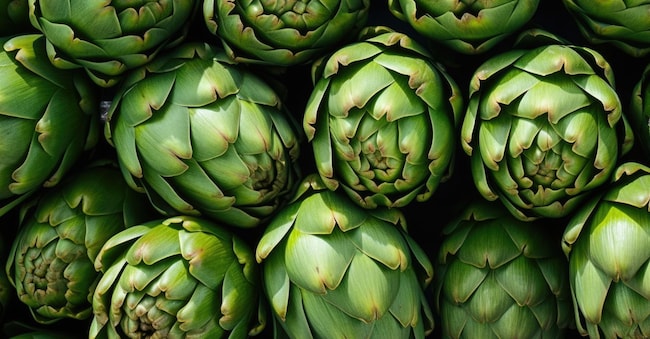
Egyptian artichokes that become Romanesque, tonnes of tomato paste from China or Bulgaria that, needless to say, become made in Italy, tons of rice arriving from Asia that flood the market of Italia, Europe's leading rice producer and - unfailingly - tons of olive oil from Greece or Tunisia that become Italian extra virgin without being so, and sometimes without even being extra virgin.
These are all products whose origin has been ascertained by the police but which, in practice, travel without traceability documents and are therefore, as has emerged in more than one case, ready to be 'nationalised', i.e. re-labelled as Italian and then placed on the market without consumers being able to identify their origin, thereby also exerting unfair competition against companies that are truly Italian.
Increasing cases of unfair competition
Goods that in some cases, as in the case of olive oil, even fill a gap in the supply of domestic production (insufficient in relation to needs) but in others, as in the case of Egyptian artichokes imported at the height of the Italian artichoke campaign, end up only provoking, as often denounced by farmers, downward pressure on prices.
The results of the work of the steering committee on controls
These are some of the cases of irregular agri-food products blocked by the police in the last year and communicated following the meeting of the national steering committee, the coordination involving the Quality Control Inspectorate, Carabinieri (Forestry and Nas), Port Authorities, Guardia di Finanza, Customs and Monopolies Agency, Agea and State Police).
The objective is not to prevent imports but to protect Italian-made products
'The point,' clarified the Minister of Agriculture, Francesco Lollobrigida, 'is certainly not to prevent the flow of imports. We remain in favour of the free market. But we also want equal competitive conditions to be ensured, that products, as far as possible, are manufactured according to the same production standards and that, goods of foreign origin, are not then marketed as Italian, thus creating unfair competition against domestic companies'.


