
Pizzas, fresh pasta and panettone are driving exports of Italian-made flour
In the first half of 2026, cross-border sales of soft-wheat milling products rose by 15 per cent. Domestic consumption in Italia is on the decline following the Covid boom.

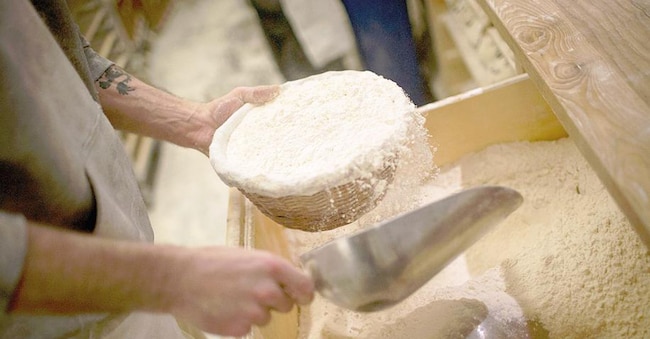
Behind the global success of pizza lie (among other things) flours made in Italy. Conversely, behind the growth in Italian flour exports lies the ‘pizza phenomenon’ in all its forms and developments. The latest Istat figures, relating to the first half of 2026, show that, compared with the same period in 2025, the volume of soft wheat flour exported has risen by 15 per cent. And forecasts from the trade association Italmopa estimate that the year will close at over 400,000 tonnes.
A new record is on the horizon for a sector that currently exports around 10 per cent of its domestic production. Yet this is by no means a foregone conclusion for a product such as flour, which is inexpensive but bulky (and therefore incurs high logistics costs), and which is heavily affected by fluctuations in raw material prices, energy costs and transport costs. Nevertheless, ‘Italian millers have managed to transform an ingredient considered little more than a commodity into a product with high added value because they have been able to adapt their flours to the many types of products that characterise Italian cuisine, developing the right variety for every recipe – explains Francesco Vacondio, president of Italmopa’s Soft Wheat Mills section –. This specialisation is a uniquely Italian characteristic, developed in companies with long-standing experience – almost always family-run – and one that is also recognised abroad’.
That is why chefs, pizza makers, bakers and pastry chefs from all over the world who are committed to producing high-quality results choose to use Italian flours. This is particularly true when preparing the most popular ‘best-sellers’ of our cuisine: pizza first and foremost, but also fresh pasta, pinsa, pandoro and panettone. ‘When it comes to flours for these dishes, Italia is not only unbeatable but also virtually unrivalled. And not just because of what’s inside the products, but also because of everything that goes with them,’ emphasises Vacondio. It’s not just about the product, then, but also about service and expertise.
In fact, to first win over and then retain the loyalty of baking professionals from São Paulo to Tokyo, and from London to Dubai, Italian millers have not only put their technical know-how to good use, invested in technology and created a wide range of products that keeps pace with and supports the evolution of Italian taste and cuisine. They have also complemented this with knowledge and resources – such as academies, courses and training programmes – to teach people how to make the best use of them.
Pizza plays a leading role in this journey. Both because of its global popularity and because it is demonstrating its ability to continue to evolve and diversify, as shown by the recent rediscovery of the thin, crispy Roman-style pizza and the pan-baked variety. Equally important for exports is fresh pasta, where the combination of professional machinery and specially formulated flours brings together two examples of Italian excellence.

