
Social and climate change, the responsibility of new leaders
Third edition of the Luiss Business School's Sustainability Talks, an event created as part of the Executive Programme in Global Family Business Management

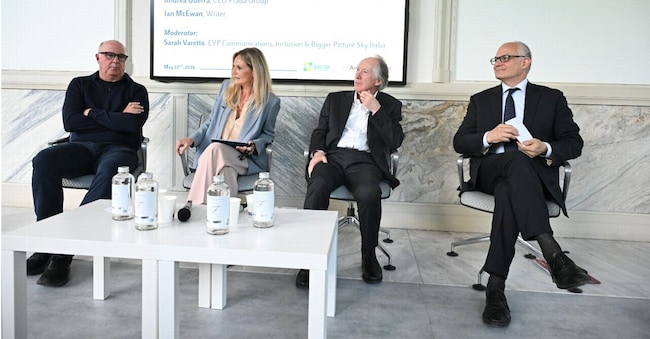
Sustainability is assuming an increasingly important role for both companies and public institutions. It was precisely the growing relevance of this issue that was discussed at the third edition of the Luiss Business School's Sustainability Talks, an event created as part of the Executive Programme in Global Family Business Management.
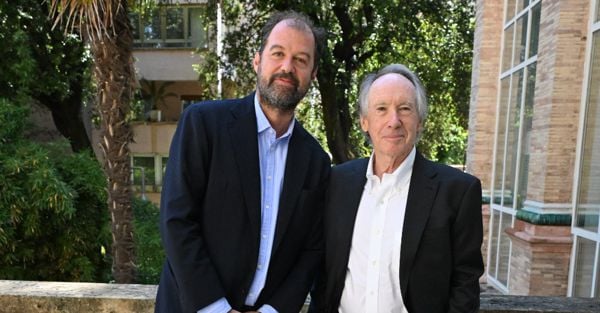
At the opening of the proceedings - attended by the Mayor of Rome Roberto Gualtieri, Prada Group CEO Andrea Guerra and a special guest, British writer Ian McEwan - Luiss Business School dean Raffaele Oriani emphasised how the school believes that 'students must be responsible future leaders and must be attentive to social, climate and environmental change issues'.
Fabio Corsico, executive director of the programme in Global Family Business Management, the ninth edition of which will start in September 2026, went on to say that he was 'happy to see students from the first edition of the programme here: this means that there is a community, and this is very important for us and for Banca Intesa, which has supported us since the beginning of the project'.
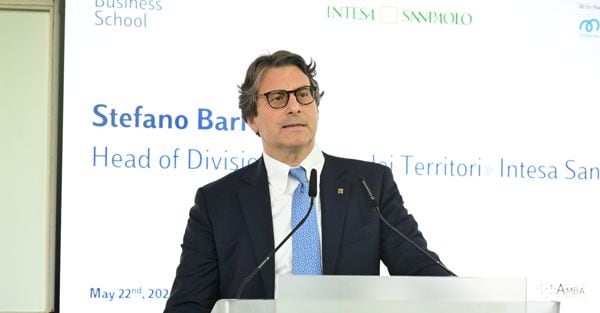
Stefano Barrese, head of Intesa Sanpaolo's Banca dei Territori Division, which is a partner in the Global Business Family Management programme, also took part in the event. Barrese reiterated, with reference to the objectives of the course, that "the generational transition is, from the point of view of our companies, a key passage. It is one of the moments in which the future success or future failure of a company is determined" and that the partnership with the Luiss Business School "is a further demonstration of how the bank seeks to support our companies also by trying to give them useful solutions for their future".
The starting point of the debate was the theme of sustainability dealt with in McEwan's works, and especially the connection between the scientific and literary aspects. The writer claimed to be 'sceptical that literature can change the course of events', explaining that 'the job of novelists, poets, playwrights and directors is to investigate changes in reality and create a cultural environment where scientists can thrive'.

