
Social media banned for under 16s in Australia from today: how the ban works
From 10 December, many teenagers will no longer be able to use platforms such as Instagram, TikTok and Snapchat. Tech companies will have to verify the age of users by removing the accounts of under-16s

Key points
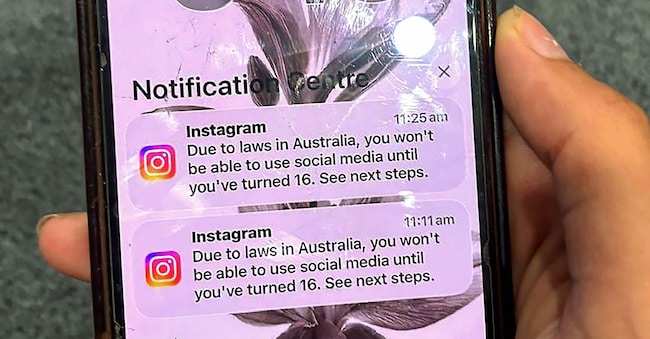
One of the world's toughest measures on minors' access to social media will come into force in Australia. The new law, passed in recent months, bans children under 16 from using the platforms and requires tech companies to remove existing accounts by 10 December. A measure that provides for penalties of up to almost AUD$50 million for each violation and aims to reduce the exposure of younger people to the risks of online life.
Which platforms are involved
The list includes Facebook, Instagram, TikTok, Snapchat, X, YouTube, Reddit, Twitch, Kick and, indirectly, Threads, which requires an Instagram profile to function. Instead, platforms such as Roblox, Pinterest, Discord, WhatsApp, YouTube Kids, Google Classroom and LinkedIn are excluded.
The government stated that this is a dynamic list. Other platforms could be added at a later stage in case of a massive shift of underage users to other social networks.
How the ban works
As of 10 December, all companies involved must deactivate the profiles of under-16s and block new registrations. The 'eSafety commissioner' Julie Inman Grant will check that 'reasonable measures' have been taken to prevent minors from accessing the site, under penalty of fines of up to AUD 49.5 million (about EUR 28 million).
Each platform will be able to choose how to verify the age of users, but the law specifies that requesting an identity document cannot be the only method. Snapchat, for instance, will use data indicated by accounts and certain behavioural signals. TikTok stated that it will combine automatic systems and human moderation. YouTube will rely on information linked to the Google account, while Meta has not explained in detail the controls to prevent users from using that information to circumvent the block.

